

Custom plaster mouldings can restore an architectural detail that is missing, damaged, or impossible to match with a standard trim profile. The work may involve documenting the original shape, creating or adapting a mould, selecting an appropriate plaster system, installing the piece, and blending joints and finish with the surrounding room. Woemmel Plastering describes ornamental plaster, custom mouldings, and historic restoration among its services in the St. Louis region. The right approach depends on the building, the surviving detail, and the intended finish.
Why plaster details matter in older rooms
Crown mouldings, cornices, ceiling medallions, friezes, and decorative brackets help define a room’s proportions and period character. In older homes, these features may have been cast or shaped to fit the architecture rather than selected from a modern catalogue. When a detail is damaged or removed, a generic replacement can change the scale or profile. Good restoration starts by understanding what remains and how the feature relates to the ceiling height, wall finish, door and window trim, and overall style.
Do not treat a single example, number, testimonial, or online account as a prediction for every situation. Ask what the information is based on, how current it is, and whether important details differ in your case. Where several paths are possible, compare their limits as well as their advantages, and leave room to adapt when new facts emerge. This helps keep expectations realistic while still allowing a person to make progress. Reassess the choice when meaningful new information appears, and do not rely on an old comparison if the underlying facts or options have changed. A brief review at the right time can prevent a decision from continuing after its original assumptions no longer hold.
Document the surviving profile before replacing it
A plaster professional can examine intact sections, photographs, hidden returns, and matching details elsewhere in the property to understand the original shape. Measurements should capture projection, height, curves, undercuts, repeating motifs, and transitions at corners. If the moulding is historic, paint layers and repairs may obscure the profile. Documentation helps distinguish the original design from later alterations and gives the owner a basis for discussing how closely a replacement can match.
For continuity, preserve the decisions made, questions still open, records reviewed, and agreed follow-up. Share only what is appropriate with the people responsible, and protect private or sensitive information. Clear notes reduce repeated explanations and help a future reviewer understand why a particular step was chosen. If circumstances materially change, update the plan instead of relying on outdated assumptions. Good records should be concise and secure, not an unnecessary collection of private information. Keep the relevant details together, note when they were last checked, and make sure a responsible person knows how to locate them when needed. Remove or correct outdated copies when appropriate, while retaining the official information required for future reference.
Choose a repair, replication, or new design
Not every missing section calls for a full replacement. A stable detail with localized damage may be repaired in place; a broken repeating section can sometimes be replicated; a larger loss may need a newly made run or a carefully designed replacement. The decision depends on the condition of the substrate, extent of loss, access, and preservation goals. On historically significant properties, consult any preservation requirements before changing the feature. A new design can be appropriate, but it should be identified as new rather than represented as original historic fabric.
Start by separating what you observed from what you infer. Record dates, relevant documents, and what has already been tried. That context helps a professional distinguish a one-time concern from a recurring pattern and reduces reliance on memory. Keep the record concise, protect any private information, and update it if new details materially change the picture. This creates a shared reference point for later conversations and makes it easier to notice when a new fact changes the original understanding. It is also a useful way to avoid repeating work or relying on memory alone. Use the notes to prepare focused questions and to check whether the next step addressed the original concern, rather than collecting information without a clear purpose.
How a custom mould is developed
A mould or template can be made from a sound original section or from measured drawings when too little remains. The maker selects a process and materials suited to the shape and production run. Complex ornament may require a different method from a straightforward linear cornice. Sample pieces allow the owner and plasterer to check the profile, scale, and surface before installation. Replication aims to match visible form while accounting for site conditions and the practical requirements of the new work.
When comparing options, use the same criteria for each: purpose, scope, timing, effort, cost where known, and what evidence would show that the option is working. This makes the comparison more useful than asking whether an approach is simply good or bad. A qualified professional can explain which facts support a recommendation and what uncertainty remains. A qualified person can explain how strong that evidence is and whether it answers the question being asked. If it does not, ask what additional information would make the comparison more reliable before treating a preliminary impression as a conclusion. The explanation should connect the evidence to the practical choice and identify any assumptions that could change the recommendation.
Prepare the substrate and installation area
Even a carefully made moulding can fail if the attachment surface is loose, damp, contaminated, or otherwise unsuitable. Before installation, assess the ceiling or wall, identify cracks or movement, protect the room, and establish secure attachment where needed. Large or heavy plaster elements require particular attention to support and safe handling. Repairs to the underlying cause—such as water entry or movement—should not be hidden behind finish work. Clarify what preparation is included in the project scope.
A useful plan identifies who takes the next step, what information is needed, and when the issue should be reviewed again. This is especially helpful when more than one person or organization is involved. Confirm important instructions in writing where practical, and ask for clarification if an unfamiliar term could change what someone is expected to do. That level of clarity is useful whenever timing matters or another person must continue the work. Confirm the agreed next step, expected timing, and the best way to ask questions if something changes before the review is complete. If the timeline depends on an outside party, identify that dependency and ask how delays will be communicated.
Blend joints, corners, and finish
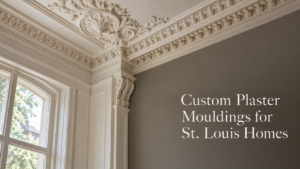
The visual quality of a moulding depends on more than the profile. Joints should align; corners should meet cleanly; small transitions need to follow the room rather than reveal abrupt patches. Plaster texture, primer, paint, and sheen can make a technically accurate replacement look different from adjacent material. Lighting can reveal ridges and gaps that are difficult to see during installation. Review the finish under the room’s actual light and agree whether painting or final decoration is part of the job.
The setting can change what is practical. Access, prior history, available resources, and personal priorities may affect timing or scope. Share those circumstances early rather than assuming they are obvious. A provider can then explain which parts of the general guidance apply, which do not, and whether more information is needed before a final decision. These details are easy to overlook when a person is focused on the main problem, yet they can determine whether the proposed approach is practical. Describe constraints early so they can be considered rather than discovered midway through the process. If a constraint cannot be resolved, ask whether a reasonable alternative exists and what trade-offs it would involve.
Preserve evidence and avoid unnecessary removal
Historic plaster may contain valuable original work beneath paint or later modifications. Before removing a damaged piece, determine whether a repair in place is feasible and whether the feature has historic value. Photograph the room and detail before work, retain representative fragments when appropriate, and discuss how any removed material will be handled. If an older coating may contain lead or another hazardous material, use qualified professionals and follow applicable safety rules rather than sanding or disturbing it casually.
Do not treat a single example, number, testimonial, or online account as a prediction for every situation. Ask what the information is based on, how current it is, and whether important details differ in your case. Where several paths are possible, compare their limits as well as their advantages, and leave room to adapt when new facts emerge. This helps keep expectations realistic while still allowing a person to make progress. Reassess the choice when meaningful new information appears, and do not rely on an old comparison if the underlying facts or options have changed. A brief review at the right time can prevent a decision from continuing after its original assumptions no longer hold.
Plan for practical use and maintenance
A restored moulding should be durable for the room’s conditions and compatible with expected maintenance. Avoid cleaning methods that damage plaster or loosen paint. Address roof, plumbing, condensation, or foundation problems that contribute to recurring cracks or water damage. Small changes can be documented so that future owners understand what was repaired or replicated. For an occupied home, plan access, dust protection, room use, and drying or curing time with the contractor.
For continuity, preserve the decisions made, questions still open, records reviewed, and agreed follow-up. Share only what is appropriate with the people responsible, and protect private or sensitive information. Clear notes reduce repeated explanations and help a future reviewer understand why a particular step was chosen. If circumstances materially change, update the plan instead of relying on outdated assumptions. Good records should be concise and secure, not an unnecessary collection of private information. Keep the relevant details together, note when they were last checked, and make sure a responsible person knows how to locate them when needed. Remove or correct outdated copies when appropriate, while retaining the official information required for future reference.
What affects the cost and timeline
Project cost can vary with the amount of detail, mould development, access, ceiling height, quantity, substrate repair, paint removal, finish matching, and whether the work is in place or fabricated offsite. Complex profiles may require design time and samples before production. Ask for a written scope that states which surfaces will be protected, how damage will be repaired, what profile is included, and whether painting is part of the work. A site assessment is more useful than a price based only on a photograph.
Start by separating what you observed from what you infer. Record dates, relevant documents, and what has already been tried. That context helps a professional distinguish a one-time concern from a recurring pattern and reduces reliance on memory. Keep the record concise, protect any private information, and update it if new details materially change the picture. This creates a shared reference point for later conversations and makes it easier to notice when a new fact changes the original understanding. It is also a useful way to avoid repeating work or relying on memory alone. Use the notes to prepare focused questions and to check whether the next step addressed the original concern, rather than collecting information without a clear purpose.
Work with a plaster specialist familiar with restoration
Ask to see examples of ornamental plaster or comparable restoration, how the contractor documents existing details, what materials and attachment methods are proposed, and how the finished work will be reviewed. Clarify licensing, insurance, schedule, cleanup, and the handling of concealed damage. Woemmel Plastering describes custom mouldings and historic restoration and traces its family business in St. Louis to 1933. Confirm current project fit and availability directly with the company.
When comparing options, use the same criteria for each: purpose, scope, timing, effort, cost where known, and what evidence would show that the option is working. This makes the comparison more useful than asking whether an approach is simply good or bad. A qualified professional can explain which facts support a recommendation and what uncertainty remains. A qualified person can explain how strong that evidence is and whether it answers the question being asked. If it does not, ask what additional information would make the comparison more reliable before treating a preliminary impression as a conclusion. The explanation should connect the evidence to the practical choice and identify any assumptions that could change the recommendation.
Further information: Woemmel Plastering’s company information
Frequently Asked Questions
What are custom plaster mouldings?
They are decorative or architectural plaster elements made or adapted for a particular building, such as cornices, crown profiles, ceiling medallions, and ornamental trim. Custom work can replicate a surviving detail or create a compatible new piece.
Can damaged plaster moulding be repaired instead of replaced?
Sometimes. A professional should assess the stability, extent of damage, substrate, and whether the original profile remains. Local repair may preserve more historic material than removing an entire run.
How do plasterers match an old moulding?
They document the original shape using measurements, intact sections, photographs, or matching details elsewhere. A template or mould can then be created, and sample pieces help verify scale and profile before installation.
Is plaster moulding better than foam or wood trim?
The appropriate material depends on the building, detail, performance needs, finish, and preservation goals. Original plaster may be important to retain in a historic interior; other materials may suit different projects. Discuss compatibility rather than relying on a general ranking.
What causes cracks in plaster mouldings?
Movement, water intrusion, poor attachment, impact, age, or changes to adjacent surfaces can contribute. Repairing the visible crack without addressing its cause may lead to recurrence, so the surrounding conditions should be assessed.
Can custom mouldings be installed in an occupied home?
Often, but planning depends on access, dust control, room protection, fabrication method, and curing or finishing needs. Agree with the contractor on which rooms will be affected and when they can be used.
How long does custom plaster work take?
Timing varies with profile complexity, quantity, mould development, substrate repairs, access, and finishing. Ask for an estimate that separates documentation, fabrication, installation, and painting or final decoration.
How can I preserve historic plaster details?
Document details before work, address moisture or movement, use qualified restoration professionals, and avoid unnecessary removal. Check preservation requirements for a protected property before changing historic fabric.
Does Woemmel Plastering make custom mouldings?
Woemmel Plastering lists custom mouldings, ornamental plaster, and historical restoration among its services in the St. Louis area. Contact the company to confirm current capability for your profile and project.
What should a moulding estimate include?
It should describe the profile and quantity, condition assessment, substrate work, fabrication or mould costs, installation, room protection, cleanup, finish, exclusions, and schedule. Ask how concealed damage or a changed scope will be handled.
A practical next step is to make a short list of your goals, the facts that have been confirmed, the questions that remain, and any constraints that may affect timing or scope. Share that context with Woemmel Plastering and ask how its current services apply, what additional assessment may be needed, and what responsibilities each person would have. For readers in St. Louis, Missouri, confirming current availability and requirements before making a commitment can prevent a mismatch between expectations and the service offered. Keep a written record of the agreed scope, the person responsible for each follow-up, and when important details should be checked again. A sound decision rests on verified details and clear next steps for everyone involved. Revisit the plan if new facts, deadlines, or personal priorities change. Before proceeding, ask the provider to confirm what is included, what remains outside the agreed scope, and who should be contacted if questions arise later. That final check helps align the work with the reader’s expectations. Keep this information available for later reference, and revisit it whenever the goals, facts, or service requirements change. When a requirement is unclear, pause to verify it with the appropriate person before committing resources.