

- Key Takeaways
- Why Professional Repair?
- Evaluating Local Experts
- Common Plaster Problems
- The Repair Process
- Preserving St. Louis Charm
- Cost Considerations
- Conclusion
- Frequently Asked Questions
- What types of plaster repairs do St. Louis contractors handle?
- How do I choose the best plaster repair company in St. Louis?
- How long does a typical plaster repair take?
- Will plaster repair affect my historic home’s value?
- What should I expect in a written estimate?
- Can I paint over repaired plaster right away?
- Do plaster repairs require permits in St. Louis?
Key Takeaways
- Hire a licensed, insured St. Louis plaster repair company for safety, code compliance, and long-lasting results that respect local building traditions and your historic neighborhood’s character.
- Repairing plaster without addressing the root causes of moisture intrusion, settling foundations, or shoddy prior fixes leads to recurring damage and expensive callbacks.
- Anticipate a methodical restoration effort involving moisture meter evaluation, controlled dust-minimizing prep and protection of assets, professional base coat and finishing application, and before and after documentation.
- Hire experienced artisans who can replicate textures and materials, like lime plaster, for older homes. They provide guarantees, upfront bids, and keep you informed during the job.
- Consider local climate and soils when choosing materials and methods, so your repairs survive St. Louis humid summers and cold winters. Focus on moisture management and ventilation.
- So get several free estimates, compare project scope, materials, and labor intensity, and choose the one that balances your long-term value with respect for your home’s historic features.
Best plaster repair company St. Louis is a small, local business providing plaster patching, lath repair and historic cornice restoration throughout the St. Louis metro region.
We use gypsum-based mixes, moisture-resistant backing and matched texture finishes for homes and older brick buildings in the Central West End, Soulard and Lafayette Square.
We price with on-site estimates and contractor-grade warranties to protect your timelines and finish quality.
Here are a few local examples.
Why Professional Repair?
Plaster repair in St. Louis should begin with a clear assessment of cause, scope, and context before any work starts. A trained team evaluates moisture sources, foundation movement, and the condition of original finishes so repairs address root problems rather than mask symptoms. This upfront step is essential for safety, durability, and cost control.
It explains why many homeowners choose the Best Plaster Repair Company St. Louis for complex jobs.
Structural Integrity
A professional foundation fix will prevent the plaster from continuously falling down. Technicians investigate crawlspaces, basements, roof lines, and window sills to track down where water or movement started. Then they suggest solutions that might involve sealing, flashing, or small structural reinforcement.
Staying in character with older St. Louis homes, which have their lath adhered directly to wood frames, making sure we reinforce those studs and key new plaster into old lath properly prevents ceilings and walls from falling off.
Use of correct materials matters: gypsum-based patching for modern drywall transitions and lime or horsehair plasters where historic mixes were used. Being able to detect hairline cracks, step cracks at corners and through-cracks in the vicinity of load points enables crews to stitch, bond and bridge the substrate so that minor issues don’t escalate into full re-plastering.
Mechanical keys, tie-ins and backer supports appropriate to the structure and load-bearing requirements maintain the repaired area true.
Lasting Results
A methodical process of damage assessment, preparation, material match, application, and finish reduces the chance of premature cracking in St. Louis’ humid summers and cold winters. High-quality materials and multi-coat systems cure and season differently.
Professionals choose mixes and drying schedules that suit local humidity and indoor heating cycles. Following a staged set of coats with correct drying time minimizes shrinkage and flaking.
There’s finishing work that goes into it, which includes texture blending and color matching so that the patches are visually seamless. Expert finishers feather, micro-skim coat, and match sand or aggregate to mimic original surfaces.
Most honest shops stand behind their workmanship with written warranties, giving homeowners peace of mind that repairs will last and follow-up service is available if necessary.
Historical Value
Historic St. Louis neighborhoods require material-specific fixes to preserve code and keep things authentic. Lime plasters and classic hand tools maintain breathability and avoid moisture traps that modern cementitious mixes create.
Craftspeople repair cornices, medallions and crown molding with molds, hand-sculpting or in-situ repair so decorative elements maintain their original profile. Preserving original plaster helps sustain a home’s market and cultural value, and it appeases local preservation review boards when work is recorded and reversible.
Frequent professional tune-ups catch minor issues before they become major and help you save money while maintaining character long into the future.
Evaluating Local Experts
When selecting the Best Plaster Repair Company St. Louis, begin with a transparent evaluation of each company’s services and compare them to your requirements. Here is a quick list of generic services and specialty restoration choices to ask for when reaching out to local companies.
Service Category | Typical Offerings |
|---|---|
Basic Repairs | Patch holes, hairline crack sealing, skim coats |
Ceiling Work | Sagging plaster repair, cornice restoration, ceiling medallions |
Historic Restoration | Lime plaster, ornamental moulding repair, period texture matching |
Specialty Finishes | Venetian plaster, decorative trowel finishes, faux textures |
Moisture Control | Moisture meter readings, vapor barrier advice, dehumidifier use |
Structural Prep | Lath repair, substrate stabilization, drywall transitions |
Commercial Services | Office and retail ceiling repairs, insurance claim work |
Preventive Maintenance | Crack monitoring, seasonal inspections, maintenance plans |
Proven Craftsmanship
Examine portfolios and case studies meticulously. Seek out local experts who provide before and after photos of wall and ceiling repairs that range from small patch work to entire room restorations.
See if texture, feathering, and finish match the old St. Louis home surface. Check for consistency across projects: similar quality in both simple patches and large crack remediation signals reliable methods.
Look for local trade awards, plaster guild certifications, or community recognition that support what you see.
Material Knowledge
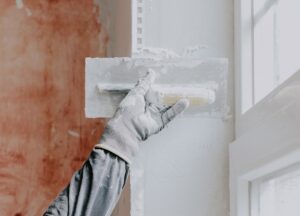
Make sure the company deals in lime, cement, gypsum, and contemporary specialty plasters. Inquire about the impact of St. Louis humidity and seasonal swings on material selection and cure times.
Good companies describe matching original plaster to new materials and they detail moisture protocols. Inquire if they offer a free moisture meter test and if they come equipped with dehumidifiers when necessary to safeguard finishes and accelerate cure.
Local Reputation
Consult Google, Trustindex, and BBB notes from St. Louis homeowners. See if they say anything about repeat business in neighborhoods such as Lafayette Square, Soulard, and Central West End.
Personal referrals from friends or neighbors will frequently direct you to companies that honor historic details. Reference: Validate local experts.
Cross-check claims with Angi and Yelp and see how companies handle complaints or follow-up work.
Clear Communication
Anticipate detailed, written quotes that separate materials, labor, and scope of the project. Demand consistent updates and a single point of contact who responds quickly to inquiries.
Seek out companies willing to describe processes in common language and who hear what is important to you before offering solutions.
Insurance and Licensing
Check for current licenses and insurance for liability and worker safety in St. Louis. Ask for evidence they adhere to local building codes and that subcontractors adhere to trade standards.
Check certificates and city permits if extensive restoration is required.
Common Plaster Problems
Plaster failures come in many varieties in St. Louis homes. Climate swings, age, and ordinary wear and tear all conspire to take the shine off surfaces. Here are the regular suspects to look out for and modifiers that affect how you should approach repairs.
- Poor previous repairs using incompatible compounds or cheap fillers
- Insufficient ventilation in basements, bathrooms, and attics
- Water intrusion can be caused by roof leaks, plumbing failures, and clogged gutters.
- Foundation movement, particularly on St. Louis clay soils that expand and contract seasonally.
- Daily wear includes furniture bumps, mounted shelves, and kids playing near walls.
- Brutal summers cause extreme humidity and frozen winters make plaster expand and crack.
Stress Cracks
Hairline cracks (including step cracks that run along joints or across plaster fields) usually come from normal house settling or seasonal moisture change. Small, static hairline cracks can be patched with thin coats of joint compound or plaster finish and then sanded smooth. This job can be handled by a skilled DIYer or a technician from the Best Plaster Repair Company St. Louis, who will texture for the perfect match.
If the cracks run wide, continue through to the wall, or come back after repair, the issue may indicate more serious structural shifting. These sorts of patterns call for a professional evaluation. They might need wall ties, stabilization, or structural shimming before surface-level work begins. Over weeks, monitor any crack that increases in width or length. Widening is your unmistakable signal for immediate examination.
Water Damage
Water stains, soft or sagging plaster, and brown water stains are common indicators of water damage. Trace leaks to likely sources: roof valleys, worn flashing, pinholed plumbing, poorly sealed windows, or gutters that overflow and feed the wall. Tackle water at the source because patching plaster without plugging the leak is a mold party waiting to happen and a fool’s errand of repeated failure.
Address common plaster problems. After using a moisture meter to delineate damp areas, determine whether to strip plaster back to the lath or dry and treat before patching. A fast response minimizes mold potential and is cheaper than replastering the whole room later.
Foundation Settling
Cracks and plaster separation commonly accompany foundation movement on St. Louis‘ clay soils, where seasonal swelling and shrinking moves footings. Identify cosmetic splitting versus structural distress by searching for stair-step cracks in brick, sticking doors, and gaps at wall-to-ceiling seams.
Address foundation issues, such as piering, underpinning, or better drainage, before redoing interior plaster to make sure it lasts. Anticipate recurring damage at bad drainage yards until site grading and gutters are addressed. Watch those spots following any repair.
Previous Poor Repairs
Identify failing patches by hollow tap, visual mismatch, or peeling paint over ancient patch compounds. Eliminate failing compounds, dust-based fillers, and incompatible paints prior to new work.
Fixing DIY or quick-fixes usually involves repairing or replacing lath or other backing, then applying top-quality mixes and textures of plaster to blend in with originals. Nothing beats seamless blending for the long-term look and prevention of re-cracking.
The Repair Process
Our well defined repair process ensures lasting, beautiful results while adhering to St. Louis building standards and local weather conditions. Scoping the repair, the first step, sets the work plan, materials list, and timeline before crews step onto a job.
Assessment
Inspect all plaster walls, ceilings and exterior surfaces for damage, recording hairline cracks, bulges and areas of finish failure. Moisture meters and technician eyes detect what lurks below.
Moisture profiles indicate the culprit, which is active leaks from leaking roofs, burst or dripping pipes, faulty gutters, or poorly sealed windows and doors. Photograph the damage and create repair notes to repair properly, including underpinning, lath replacement, or even fasteners to hold surrounding plaster in place.
Figure out the cause of plaster issues to create a repair that might involve waterproof membranes or specific roofing and gutter repairs.
Preparation
Take away loose or damaged plaster, dirt, and dust compounds from affected areas, ensuring you preserve intact historic material when preservation codes are applicable. Protect floors, furniture, and surrounding areas with drop cloths and plastic.
Utilize containment barriers where dust control is imperative. Ventilation and dehumidifiers need to be established to keep the moisture from getting out of control during repairs, particularly so in the muggy, humid months that plague the St. Louis area.
The repair process involves collecting all materials, tools, and safety gear, including scaffolding, ladders, respirators, eye protection, and hand tools for lime-based plaster work, before starting work. This minimizes downtime and keeps the job flowing.
Application
Use base coats, patching compounds, or specialty plaster mixes as appropriate to each repair job, matching to original plaster types where possible since some plasters are more delicate or meet preservation standards.
Smooth plaster surfaces and duplicate finish textures which you so often see in older St. Louis homes using professional tools like trowels. Adhere to suggested drying times and layering for maximum adhesion and strength.
Multi-coat projects can take weeks to complete as each layer must dry. Repair big wall cracks, nail holes, and other imperfections with accuracy, employing fasteners when necessary to fix the backing of the wall and maintain the repair.
Finishing
- Repair crown molding, medallions or cornice work where damaged by using matching profiles or repair pieces.
- Mix textures and skim coat transitions to visually hide repairs.
- Paint or refinish accordingly with St. Louis home products, being aware of humidity and painting windows.
Here’s the repair process: really clean up the job site, less dust and more respectful clean-up, scaffolding and protective sheeting taken down.
Preserving St. Louis Charm
St. Louis’ famed neighborhoods exhibit an array of plaster varieties, decorative elements, and building techniques that require thoughtful, local-aware restoration. Respect for the city’s architectural history, seasonal climate stresses from hot summers and cold winters, and the common existence of original plaster all contribute to repair work that has to be carefully orchestrated with both material science and craftsmanship.
At The Best Plaster Repair Company St. Louis, we specialize in restoring surfaces to their original appearance with a focus on making them perform better for longer.
Historic Homes
Focusing on old homes and landmark properties, craftsman measure original coatings to determine the appropriate restoration route. For instance, many homes still have plaster from decades ago that could be covering damage from leaks, shifting soil, or just age. Tracking down the source of damage prior to patching will prevent rework.
Where repair work is needed, we respect original materials and construction methods to maintain authenticity, often incorporating hand-coats and trowel work as opposed to solely modern replacements. Projects frequently involve collaboration with the Missouri Historical Society or local preservation boards, and teams photograph pre- and post-work conditions to comply with guidelines.
Repairs in historic structures can take days and weeks, depending on drying times, ornamental repairs, and climate controls to prevent cracking in St. Louis’ seasonal extremes.
Matching Textures
Experienced plasterers duplicate textures by investigating the existing finish, then priming sample boards or test patches to compare color, aggregate and toolmarks. This smart move allows you to feather the repaired areas into adjacent surfaces so walls come across as one cohesive plane instead of a collection of patches.
Corners, medallions, crown moldings and decorative details are important to pay attention to because tiny mismatches pop out at you. Experts have mastered the use of precision tools, feathered edges, and controlled coat builds to create a smooth appearance.
Work is ribbed to enable each successive layer to cure. Technicians monitor humidity and temperature as the city’s hot summers accelerate drying and cold winters decelerate it, both compromising texture match and adhesion.
Lime Plaster
They match original work, so when lime plaster was used, restorators use the same to maintain compatibility of the wall system with historic masonry and retain breathability. Lime provides advantages such as flexibility, vapor permeability and chemical compatibility with older brick and stone, which results in decreased moisture being trapped that can cause damage.
It is applied over multiple coats: scratch, brown and finish, with each given time to set before the next to develop strength without strain. Homeowners are provided explicit care and maintenance instructions, including mild cleaning, controlled interior humidity and occasional inspections, so lime plaster remains durable and beautiful for decades.
Cost Considerations
Cost When you schedule your plaster repair with Best Plaster Repair Company St. Louis, cost starts with a defined scope and open pricing. The sections that follow explain how estimates come together, what fuels price fluctuations, and how to distinguish between bids so you score long-lasting fixes with no surprise expenses.
- Free estimates and transparent pricing: Reputable firms provide written, itemized estimates at no charge. These would include labor, materials, and minimum service fees, which are typically around $75 for small jobs, as well as square foot rates. Line items for prep, scaffolding, dump fees, and final finish are included. Request seasonal rate notes. Spring and fall can drive the price up, while winter booking can sometimes bring it down.
- Compare multiple bids for best value: request at least three bids from respected local firms, then compare apples to apples. Seek out the declared materials, man hours, warranty and per square foot pricing. Typical projects hover around $48 per square foot. Check ranges: many repairs fall between $200 and $1,000, but complex or large jobs exceed that.
- Long-term savings from quality work: choose firms that document techniques, materials, and moisture mitigation. A bigger initial investment for the right substrate repair, matched materials, and proper sealing typically stops the cycle of redoing work and pays off in the long term. Bigger cracks, which are more than 1/4 inch, or old-school plaster require greater craftsmanship and therefore greater expense, but they mitigate future danger if executed properly.
Project Scope
Area | Typical Issues | Notes |
|---|---|---|
Interior walls | cracks, hairline splits, delamination | May need skim coat or patching |
Ceilings | sagging, water stains, joint cracks | Scaffolding often required |
Exterior surfaces | stucco/plaster weathering, cracks | Weatherproofing and sealants needed |
Make an inventory of everything that needs to be done – walls, ceilings, exterior surfaces, etc., and highlight priority areas. Factor in add-on services such as water damage repair, painting, and architectural trims. Vary your schedule and costs according to the level of damage. A one-room patch can be done in a day, but perhaps a whole facade will take weeks.
Material Type
Choose materials that match the original source: lime plaster for older homes, cement mixes for modern work, or specialty blends for decorative finishes. Premium materials cost more and might be more difficult to find. Account for lead times as well in your schedule. In St. Louis, humidity and freeze-thaw cycles dictate material choice. Lime mixes breathe better in older masonry by not trapping moisture.
Be sure to identify materials in the contract to avoid on-site substitutions.
Labor Intensity
Check for skilled labor requirements for intricate or historic restoration. Journeyman plasterers charge more than general painters. Include scaffolding, lifts, and safety gear expenses for high ceilings. Prep, application, finish, and cleanup time factor into labor estimates.
Historic homes frequently require slower, more careful work and extra testing, which pushes the price up.
Conclusion
The best plaster repair company st. Louis seasoned experts understand how to replicate vintage moldings, blend lime-based plaster and repair hairline cracks so walls feel complete again. Seek out crews with transparent estimates, quality photos of previous work and local references from historic Central West End or Lafayette Square houses. Little jobs may require a day. Bigger jobs require multiple visits and drying time. Anticipate reasonable bids that itemize labor, materials and cleanup. Save money by repairing vents or leaks first and selecting matching finishes instead of full replaster. Hire a pro who listens, brings samples and explains every step. P.S. When are you ready to begin? Call two local companies, compare estimates and just pick the one that feels right.
Frequently Asked Questions
What types of plaster repairs do St. Louis contractors handle?
Nearly all local contractors do crack repair, patching water damage, re-lathing loose plaster, cornice and crown molding repair, and complete wall and ceiling re-plastering jobs.
How do I choose the best plaster repair company in St. Louis?
Verify licensing, insurance, local reviews, project photos, and written estimates. Definitely choose companies with historic-home experience in neighborhoods like Lafayette Square or Soulard.
How long does a typical plaster repair take?
Small cracks and patches typically take one day. Bigger jobs or multiple rooms may require several days with curing and finishing time.
Will plaster repair affect my historic home’s value?
The right, sympathetic repairs maintain historic character and can protect or increase value. Opt for contractors experienced in period materials and methods.
What should I expect in a written estimate?
Definite scope, materials, labor, timeline, warranty, price. Inquire about any hidden cost contingencies for underlying lath or structural problems.
Can I paint over repaired plaster right away?
No. Most repairs need to dry and cure generally for 24 to 72 hours prior to priming and painting for a hard-wearing finish.
Do plaster repairs require permits in St. Louis?
Small interior fixes generally don’t. Structural modifications or significant renovations could. Verify St. Louis City or County building departments prior to work commencing.