

- Key Takeaways
- Evaluating St. Louis Specialists
- Common STL Plaster Problems
- The Repair Process
- Beyond The Repair
- Historic Home Considerations
- Asking The Right Questions
- Conclusion
- Frequently Asked Questions
- What should I look for when choosing a plaster repair company in St. Louis?
- How long does a typical plaster repair take?
- Will plaster repair match my historic St. Louis home’s original look?
- How much should plaster repair cost in St. Louis?
- Can I paint over repaired plaster immediately?
- Do St. Louis plaster companies handle water-damage and mold issues?
- Are warranties common for plaster repair work?
Key Takeaways
- Trust St. Louis experts with real local expertise who know neighborhood soils, historic wood lath and regional humidity impact to make your plaster repair last and pass code.
- Confirm material mastery and techniques, such as confirming the use of compatible lime or gypsum plasters, texture-matching skills, and modern moisture control practices for long-lasting results.
- Check portfolios and local references with before-and-after shots and St. Louis homeowner testimonials to verify experience with ceilings, cornices, and cosmetic and structural restorations.
- Verify appropriate credentials such as licensing, insurance, bonding, and trade membership. Inquire about continued education in historic restoration for your property and investment’s protection.
- Need transparent, written, detailed estimates with materials, labor, timelines, warranty terms, and any add-ons like painting or moisture testing to compare bids on an equal footing.
- Adhere to post-repair best practices including annual inspections, foundation or moisture abatement, and meticulous record keeping to maintain your plaster and your home’s value.
The best plaster repair company St. Louis is a local contractor that fixes cracks, water damage, and ornate plasterwork in homes and historic buildings.
Lots of companies in town do free estimates, licensed crews, and matched texture and paint for neighborhoods such as The Hill and Lafayette Square.
Professional crews employ gypsum plaster, patching compounds, and moisture barriers to bring surfaces back to code and beauty.
The following section is a cost and time comparison.
Evaluating St. Louis Specialists
Picking the best St. Louis plaster repair company is about evaluating expertise, local insight, transparent pricing and track record. The accompanying breakdown puts the key considerations before engaging.
1. Local Expertise
Choose companies that understand St. Louis neighborhoods and building stock. Deep local knowledge shines through in how a contractor deals with quirks from clay soils and seasonal humidity.
Specialists who work regularly in Dogtown, Lafayette Square, Tower Grove or The Hill have observed typical plaster issues related to foundation shift and older framing. You want references from local projects and a brief work history in St. Louis to ensure they’ve worked on the same types of houses you own.
2. Material Mastery
Confirm they use proper materials: suitable sand, lime-based coat plasters, and compatible patching compounds. That counts when overlapping old layers to new and when avoiding future delamination.
Inquire about how they match textures — trowel stroke, sponge, knockdown — and if they randomly test little areas first. Ask about the moisture control and insulation strategies they suggest since today’s solutions have to behave nicely with historic assemblies and keep them from re-cracking.
3. Proven Portfolio
Ask for before-and-after photos and case notes of projects in St. Louis homes. This includes ceilings, cornices, medallions, and entire room restorations to uncomplicated patch jobs.
Seek out examples of where contractors fixed root causes, not just cosmetic band-aids, and saw through projects, big and small. Cross-check reviews from other neighborhoods to see if quality remains consistent across project types and budgets.
4. Proper Credentials
Check license and insurance and that employees are trained plaster specialists. Bonding and trade association membership lend credibility.
They still make sure to abide by local codes and pull permits when structural or historic protections are in place. Inquire about their current training or certifications, especially in restoration techniques, lime plasters, and conservation practices that make a difference in older St. Louis homes.
5. Clear Estimates
Demand detailed, written St. Louis specialist bids that specify materials, man hours, scope, and realistic timetables. Compare at least three bids to sniff out outliers and hidden fees.
Make warranty terms clear and find out what support they provide after a repair. Ask for a breakdown of add-ons like painting, finish work, or moisture readings so you can compare total project value rather than just headline prices.
Common STL Plaster Problems
Typical STL Plaster Issues – St. Louis homes have a predictable series of plaster problems related to local weather, home age and daily wear and tear. The middle of the house is the spot that wears out first, it can develop anywhere. Here’s a quick list of the common problems, then some targeted discussion on causes, signs and maintenance steps that are important to those seeking the Best Plaster Repair Company St. Louis.
- Cracks following hairline to wide separations
- Plaster pulling away from wood lath or metal lath
- Surface bubbling and blistering from trapped moisture
- Brown stains and soft crumbling from water damage
- Dings, holes, and scuffs from everyday wear and furniture moving.
- Uneven textures or mismatched repairs on older walls
- Joint and seam failures around windows, doors, and cornices
Old plaster exhibits very specific indicators that experienced craftsmen identify. Separation from underlying wood lath typically starts out as a hollow sound to tapping and progresses to a visible gap or sag. Surface bubbling or blistering typically indicates moisture trapped beneath the surface or poor adhesion from previous repairs. These are not cosmetic, as loose sections can fall away and allow more water or bug infiltration.
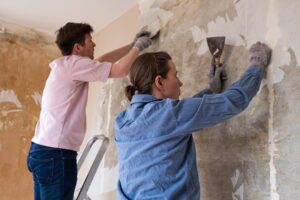
Old patch jobs impact new condition. Applying drywall compound to genuine lime-based plaster or modern primers without adequate keying will quicken the demise. Old horse hair and lime mixes require certain bonding techniques. Amateur patching without the proper base coat or with incorrect curing times will tend to crack again. A Best Plaster Repair Company St. Louis will test substrate and match technique to original material to prevent repeat problems.
Climate and structure cause a lot of failures. Moisture, foundation settling, and temperature swings are common STL plaster problems. Hot, humid summers and chilly winters lead to expansion and contraction. Moisture causes STLP to crack and become uneven, while water ingress results in brown staining, blistering, and crumbling. The plaster, of course, doesn’t like foundation shifts; even small ones can create long hairline cracks that spread.
Everyday wear adds holes and chips, which are prevalent in family or rental homes. Timing and inspection very much matter. Annual inspections catch early loose spots, water stains and failing seams before repairs grow costly. Patching in time keeps water out of your home and maintains its value.
Costs vary widely in St. Louis: small patches may run near $200, while larger, textured or structural jobs can exceed $1,000. Turnaround varies: a simple patch can finish in a day, and multi-coat historic matches may take weeks for proper cure and texture match.
The Repair Process
The repair process starts with a clean evaluation of the damage, noting cause, extent, and local impediments before work begins. Here in St. Louis, it’s about what damage may have absorbed from our humid summers and freeze-thaw winters and the foundation settling that tends to plague our older neighborhoods. They report previous repairs that might be at odds with historic home preservation codes. These frame materials, methods, and schedule.
- Inspection and preparation: Inspect cracks, holes, delamination, and hairline fissures. Use a wire brush to probe edges and expose loose plaster, and map affected areas. For historic homes, record original moldings and textures. Cover floors, trim, and furniture with poly and drop cloths. Establish negative-pressure containment and HEPA vacuums as necessary to confine dust migration to other rooms and safeguard pets from airborne particles.
- Removal and stabilization: Remove only what is unstable, keeping as much original plaster as possible. In case lath or keys are ruined, open minimal areas for new material to bond to. If there is water, follow it back to the first source and repair. Capture structural causes, such as joist movement and foundation shifts, before putting the finishing touch on cosmetic repairs. This prevents the risk of repeating failures tied to St. Louis’ temperature swings and soil settlement.
- Substrate repair and preparation: Repair lath, backer board, or sheathing to a solid substrate. Apply bonding agents and mesh as necessary. Let substrates dry so you’re not sealing in moisture. This step is subject to local codes and, in historic homes, preservation standards that may require lime-based plasters as opposed to gypsum.
- Patching with proper materials: Use premium materials suited to the job, such as traditional lime for period restorations, gypsum for modern interiors, and rapid-set compounds for small spot work. New admixtures and better tools make our application quicker and longer-lasting than with the older methods. Use thin, controlled coats to minimize cracking from shrinkage or thermal movement.
- Texture and color matching: Blend textures by feathering successive passes and using the same tool marks as the original finish. For color matching, mix pigments into the final coat and test on a scrap board. In St. Louis older homes, there are often subtle swirls or combed textures. Match grain scale and sheen to maintain value and visual continuity.
- Finishing and cleanup: Sand minimally when required, prime, and paint with compatible products. Thoughtful cleanliness involves dust removal with HEPA tools, putting furniture back, and making rooms safe for children and animals. Record work and give homeowners humidity and gentle-use care tips to minimize everyday wear like moved furniture or hanging shelves.
Beyond The Repair
When plaster damage runs beyond minor cracks or chips, a definite strategy aids in determining if repair, replacement, or enhancement is appropriate. Begin with a comprehensive survey to identify moisture, foundation shifting, or insulation voids that frequently fuel plaster breakdown.
Observe where damage tends to cluster, estimate damaged areas in square feet, and document photos and dates. This step reveals what caused the issue and directs if partial patching will suffice or if complete extraction is necessary.
Regular inspections and maintenance
Plan inspections a minimum of once per year and after St. Louis-area events like heavy rain and freeze-thaw cycles. Check for hairline cracks, loose keys, brown stains, and soft spots.
Carry out small fixes early: reattach loose plaster keys, fill hairline cracks with compatible lime or gypsum-based patch, and reseal roof and window penetrations to stop water entry. Routine maintenance minimizes decay and keeps repair bills more moderate.
Integrating additional services for aesthetics
Imagine combining plaster work with residential painting, wallpaper, or crown molding to increase finish and value. After a complete plaster replacement or skim coat, prime with high-adhesion primers designed for older substrates prior to painting.
Wallpaper will cover small imperfections but requires a flat base, and drywall is possibly a superior substrate for contemporary wallcoverings. I’ve found that installing crown molding after repair can be used to hide seam lines and adds architectural polish, a la older style St. Louis rowhomes and Victorian homes.
Documentation and property value
Keep detailed records of every repair and upgrade: dates, scope, materials, contractor names, and before-and-after photos. Keep guarantees for materials and labor and record any permits filed with St. Louis city agencies.
It aids resale and insurance claims and demonstrates to prospective buyers that water damage or settling was dealt with by a pro.
Addressing underlying structural and moisture issues
When plaster is beyond repair it can mean water damage, foundation shifting or bad insulation. Seal leaks, upgrade attic and wall insulation, and hire a structural engineer for shifting foundations in the clay soils found around the St. Louis region.
At times, walls or ceilings need complete plaster replacement. If damage is particularly bad, taking out plaster and replacing it with drywall can be more economical and give you a nice clean palette for finishes.
OLD VERSUS NEW Historic homes need special repair in order to preserve original finishes – use artisans experienced with lime plaster. Evaluate damage and then construct a plan that appropriately balances cost, historic value and long-term durability.
Historic Home Considerations
Historic homes require additional attention to plaster repair as well. Original plaster, decorative medallions, horsehair mixes and wood lath all act differently than modern drywall. An obvious first thing to do is hire experts that know historic finishes and can ‘read’ layers in a wall.
Best Plaster Repair Company St. Louis should mean contractors who can find original mixes, record conditions and plan work that preserves the home’s character. Historic plaster repair is trickier because matching original materials and methods matters. Go with repair mortars and binders that work with lime or gypsum plaster instead of new Portland-cement mixes that can seal in moisture and rot out old lath.
When surfaces are painted in dozens of old coatings, experienced techs sample test, grain and texture match, and patch blend so seams and repairs vanish. Ask for lab tests or field probes to verify composition prior to bulk work. Careful restoration techniques preserve delicate details like thin wood lath, ceiling medallions, crown moldings, and ornamental cornices.
Methods range from bonding loose plaster with injected adhesives to piecing in new lath where needed, coupled with small-scale plastering trowels for feathered joints. No bulldoze or big one-layer overlays that strip away detail. Best Plaster Repair Company St. Louis contractors should use reversible and low-impact fixes whenever possible, so future conservators can undo or refine whatever repairs without damage.
Choice of repair materials and methods must be in accordance with preservation standards and local codes. Those are just a handful of St. Louis’s historic neighborhoods—Soulard, Lafayette Square, The Hill—all with shared period details and local preservation guidelines. Check if the city or local historic district requires a review and/or permits for exterior or interior work, and obtain permits prior to commencing.
A contractor experienced with St. Louis preservation boards will save time and avoid expensive rework. Request references from comparable St. Louis projects and see work in person. Find instances where texture, sheen, and molding profiles were matched.
Request documentation: material specs, photos of phases, and warranty terms. Good contractors say they can tell you how they will deal with multi-layered walls, moisture problems in aged framing, and how they integrate modern systems like insulation or wiring without damaging original plaster.
Think historic home, not quick fix. When traditional materials are required, demand craftsmen educated in historic plaster techniques and request a course of action specific to the home’s age, materials, and construction.
Asking The Right Questions
Asking the right questions establishes expectations and keeps both homeowner and contractor on the same page. Open-ended questions invite detail, rather than yes or no answers. This assists in identifying concerns early, developing trust, and making even better choices when hiring the best plaster repair company in St. Louis.
Here are some key questions to have ready for possible plaster repair pros: experience, process, and past plaster repair. Inquire about how long the crew has been working on plaster specifically and St. Louis homes, which still have their fair share of older lath-and-plaster walls and ceilings. Request specifics such as the number of years, typical project size, and whether they repair historical moldings.
Have them walk you through the process from evaluation to final sanding and paint prep. Inquire about what subcontractors, if any, will be utilized. Request before-and-after job photos, preferably with St. Louis addresses or client referrals so you can verify context and results. Get references from recent jobs in homes or neighborhoods like Central West End or Lafayette Square.
Question them about their plaster texture matching skills, how to treat major cracks and how to achieve a smooth finish. Inquire how they replicate existing textures, such as hand-troweled skim coats, texture stamps, or spray-on compounds, and make concealment blends at corners and field lines.
For structural cracks, inquire what causes they look for, such as settling foundations or roof leaks, and if they fix the source ahead of cosmetic work. Ask about materials: do they use traditional lime or gypsum plasters, modern setting compounds, or gypsum-based topping plasters? Ask them to describe the sanding, feathering, and priming they do to create a paint-ready surface.
Request examples of finished work, customer feedback, and warranty information to determine dependability and excellence. Ask for case studies with photos and client feedback. Inquire how they resolve conflicts and what the warranty includes, such as workmanship, parts, or both, and the warranty duration.
Inquire if warranties are written and transferable. Verify claims through online reviews, BBB listings, and local St. Louis trade associations. Confirm scheduling, payment, and communication procedures so your repair experience is hassle-free.
Request a detailed schedule with milestones, delay contingencies, and start and finish times each day. Clarify the payment schedule, including the deposit amount, progress payments, and final payment on sign-off. Inquire about favored means of communication and who your point of contact will be.
Inquire about how they record change orders and how supplemental charges will be managed. This minimizes misunderstanding and guides you to intelligent decisions.
Conclusion
Local plaster pros in St. Louis provide real value for old homes and new builds. Search for companies that offer transparent processes, provide itemized estimates, and post before and after pictures. Select firms that employ lime or gypsum mixes for historic work and modern gypsum for patching. Inquire about drying time and paint matching. A walk-through, hard schedule, and a one-year plus labor warranty are important. Small cracks require quick repair, while full lath replacement takes more time and is more expensive. Engage a licensed contractor for decorative cornices or extensive damage. For a fast victory, schedule a site visit and receive three bids. Be prepared to locate the right crew in St. Louis. Get quotes from local experts today!
Frequently Asked Questions
What should I look for when choosing a plaster repair company in St. Louis?
Seek out licensed contractors who provide local references, written estimates, prior St. Louis work examples, and carry liability insurance. Look for companies familiar with local building styles and the area’s vintage homes.
How long does a typical plaster repair take?
Small patch jobs are often one day. Bigger repairs or entire wall replasters may take a few days to a week, drying and finishing time included. Timelines are based on scope and repair technique.
Will plaster repair match my historic St. Louis home’s original look?
Yes, skilled experts replicate texture, molding, and lime or gypsum mixes. Request samples of historic work and materials. Restoration know-how is crucial for a genuine effect.
How much should plaster repair cost in St. Louis?
Prices depend on size and complexity. Small patches are cheap, while full wall or ornate cornice repairs are more. Obtain at least three written quotes to compare accurate local prices and scope.
Can I paint over repaired plaster immediately?
No. Plaster has to cure completely and generally requires a primer. Allow suggested drying time, often 24 to 72 hours with minor repair, then apply good primer prior to painting for good adherence.
Do St. Louis plaster companies handle water-damage and mold issues?
Reliable companies address and repair underlying causes, like leaks, prior to repairing plaster. They might send you to a plumber or mold remediator. Verify with them their procedure in the quote.
Are warranties common for plaster repair work?
Yes. Most pros provide workmanship warranties that last for months or years. Make sure warranty terms are in writing too, what is covered and how claims are handled.