

- Key Takeaways
- The St. Louis Advantage
- Our Plastering Craft
- Beyond The Surface
- Local Home Stories
- The Right Choice
- Our Local Promise
- Conclusion
- Frequently Asked Questions
- What services does a residential plastering company in St. Louis provide?
- How long does a typical plaster repair take?
- Are your plaster materials safe for older St. Louis homes?
- Do you offer free estimates and on-site assessments in St. Louis?
- How do you handle humid basements and moisture-prone areas in St. Louis?
- What makes a local St. Louis plastering team more reliable than a national chain?
- How do you protect furniture and finishes during a plaster job?
Key Takeaways
- Local St. Louis plastering experts offer climate-conscious methods and moisture-resistant mixes that combat the city’s humidity and seasonal variations. Homeowners need to make time for yearly check-ups to safeguard long-term plaster longevity.
- Veteran contractors maintain historic integrity by matching texture, color, and ornamental details typical of neighborhoods such as Lafayette Square. They employ original materials and proven restoration techniques.
- Tough local supplier connections provide rapid entry to prime plaster, gypsum, and sand. Homeowners should ask for materials lists or samples to verify match with walls and ceilings.
- Compliance with St. Louis building codes and permitting processes reduces project delays and risk. Hire contractors who document inspections, coordinate with building officials, and manage required permits.
- Custom-fix it to neighborhood quirks whether it’s brick, stucco, old-school lath or new-school drywall. Then shop around: get more than one bid, check references and ask for samples of past work before you hire.
Local company transparent pricing free estimates minimal mess ongoing support annual structural integrity and moisture risk and sound dampening plans
If you’re looking for a residential plastering company, St. Louis has just the right folks for you! Local crews comply with city codes, use gypsum and lime mixes customized for Midwestern humidity, and provide free estimates and transparent timelines.
They serve everything from those 100-year-old brick homes in Lafayette Square to the new construction in Clayton. With references, insurance information, and care tips all included in their written quotes, you can feel confident in your choice.
The St. Louis Advantage
St. Louis’s unique residential plastering challenges and opportunities impact how we choose materials, plan our technique, schedule, and cost. Local plastering crews understand how humidity, temperature fluctuations, soil and foundation variations, and the city’s historic building stock alter the work from beginning to end.
Here are concentrated areas that demonstrate why employing a nearby Residential Plastering Company St. Louis offers real return.
1. Climate Knowledge
Local plasterers set mixes and sequences with St. Louis’s humid summers and cold winters in mind. They select moisture-impermeable plaster mixes and incorporate vapor-control layers as necessary to reduce water leakage and blistering.
Proper wall prep usually involves drying, sealing rigid cracks, and installing drainage planes where foundation movement has strained interior finishes. Specialty base coats and finishes are chosen for low expansion and high adhesion to minimize seasonal cracking.
Teams suggest annual inspections timed after winter thaw and prior to summer humidity to spot hairline cracks early and re-seal joints. Scheduled maintenance plans feature localized touch-ups and humidity management advice to maximize lifespan.
2. Historic Integrity
Restoration in neighborhoods like Lafayette Square needs to have the texture, color, and cornice profile matched so repairs look invisible. Craftspeople re-imagine medallions, cornices, and lath patterns that are hand plastered with traditional wet plaster infused with modern stabilizers to maintain original character and increase longevity.
Nor to lath and ornamental plaster repairs which utilize compatible materials to sidestep stress mismatches. Respect for historic fabric requires meticulous record-keeping, small-test patches, and frequently phasing work to safeguard delicate finishes and adhere to preservation standards.
3. Material Sourcing
St. Louis companies are able to source high quality gypsum, lime based plasters and graded sand from local suppliers to match with existing walls. They mix vintage fix-alls and new-school additives for an old house or new remodel.
Strong vendor ties let our crews get specialty cements or artisan blends for same-week fixes. Homeowners should request materials lists and samples so they can hold them up to existing walls and compare texture and color before full application.
4. Code Compliance
St. Louis plaster has to comply with local codes and neighborhood regulations. Contractors conduct deep inspections, document conditions, and generate permit-ready reports.
Teams of experienced professionals work alongside general contractors and building managers to schedule inspections and prevent rework. Companies use local permit flows to accelerate approvals, minimize delays, and decrease the risk of failed inspections.
5. Neighborhood Nuances
Plaster requirements differ from historic brick homes to midcentury homes and new builds. Foundation type, soil shifts and local housing trends determine the repair approach.
Brick-bearing walls require different anchoring than framed stucco. Select contractors with wide neighborhood experience to obtain the appropriate strategy for your block.
Our Plastering Craft
Our Residential Plastering Company St. Louis team applies consistent craft and meticulous attention to all jobs, from basic patch to complete room reconstruction. Our plastering craftsmanship encompasses complete plaster replacement for irreparable walls or ceilings, dry lining for quick, seamless finishes, and niche wall restoration for heritage properties where the ancient and modern need to blend just right.
Craftspeople examine each plane, observe the material’s age and anticipate their work so repairs endure while echoing the house’s character.
Our expert St. Louis plasterers start with a complete inspection to identify visible and underlying issues. They inspect for hairline fractures, unsecured lath, and moisture that can be indicative of leakage or foundation problems in the beginning stages.
Skilled plaster craftsmen can identify hidden problems others overlook, like moisture behind a wall or structural shifting. That early detection guides repair choices: simple patching when safe, local replacement when water has weakened a section, or full re-plaster when the substrate is unsound.
The repair is methodical and obvious. First is evaluation and scoping to shield floors and furniture. Then, busted plaster is rounded back to firm edges, loose lath is strapped or substituted, and any moisture source is repaired or routed for client authorization.
Patching comes next with the proper base coat applied for thickness and bonding requirements, followed by a finish coat smoothed to plane. Plaster repair isn’t just screwing a patch over a crack; it’s blending repairs so they feel seamless and endure for years.
Color matching and finishing services complete the work, so repaired areas match surrounding surfaces in tone and texture.
From small cosmetic patches to large scale restoration and new plaster work, our services cater to various needs. For historic homes, the St. Louis trade requires understanding the right mix of old and new, lime-based mixes where applicable, and modern gypsum systems where they suit.
Today’s plasters dry much quicker and are less likely to crack than older mixes. There are some jobs that still require the old way to protect period detail.
Timing and expectations of the client are transparent going in. Some little one day fixes and other work such as multi-coat or entire rooms get replastered and can take days or even weeks, giving each coat time to cure.
Expert plaster consultation and special solutions for each client’s unique situation provide samples and mock ups when color match or texture is essential. We put in the work to keep homes safe, strong, and beautiful for years to come.
Beyond The Surface
Fine plastering does more than simply make your rooms look right. It keeps walls and ceilings functioning as they should, resisting the stresses that St. Louis homes are prone to. Expert craftspeople begin by identifying root causes, not merely patching up symptoms.
They look for humidity damage, foundation shifts, previous water intrusion and failed patch jobs. From that ground view, they craft work that enhances durability, performance and long-term value.
Structural Integrity
About Beyond The Surface Plaster experts start with a calibrated evaluation that includes load paths, substrate condition and lath or drywall attachment. That means tapping and visual examination along with focused probes to locate voids, loose keys or spaces where plaster has pulled away from backing.
Proper repairs use the right fasteners, blocking and a layered approach. Secure framing where needed, apply a sound base coat and finish with bonding and top coats compatible with existing textures.
Focusing on concealed damage like rot, rusted nails and cracked lath prevents return disaster. Plaster failure is usually due to bad prep, excessive moisture or foundation shifting. A thoughtful approach minimizes reoccurrence.
Technicians record inspections and all repairs with photos and notes so homeowners have a transparent record for insurance, resale or future work.
Moisture Defense
Here in St. Louis, with its humid summers and wet, cold winters, moisture control is important. Above all, use moisture-resistant plasters, vapor-managing primers, and good caulks at joints and penetrations to delay water ingress and mold risk.
Moisture meter readings should be included in any inspection to catch concealed wet areas in their infancy. Steps for water damage repair:
- Plaster – Take down all softened or contaminated plaster to sound material, exposing lath as required. Remove wet insulation as necessary.
- Dry the cavity with fans and dehumidifiers until the readings are stable and below recommended thresholds. Then treat any mold or corrosion.
- Swap out or shore up bad framing or lath, add the right moisture barriers, and use compatible base and finish plasters while applying proper curing.
- Texture blend and paint or finish to restore appearance and protect surfaces.
Good surface prep and sealing after repair are a must to keep moisture from coming back and causing future deterioration.
Sound Dampening
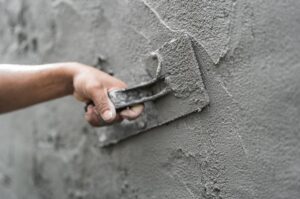
Specialty plaster mixes and application practices can reduce airborne and impact noise between rooms. Dense base coats, resilient layers and acoustic additives minimize sound transmission more than drywall alone.
In multi-family buildings, classic St. Louis rowhouses and bustling city neighborhoods, appropriate sound-dampening plaster enhances privacy and livability. The best time to put in acoustic improvements is during retrofit or new work.
Adding resilient channels or a decoupled layer restricts vibration paths. Benefits include:
- Quieter interiors for work and sleep
- Better speech privacy
- Higher perceived quality of living
- Reduced need for costly later retrofits
Local Home Stories
Local home stories gather how St. Louis residents discovered trusted repair and considerate attention from a Residential Plastering Company St. Louis and why those decisions are significant for the appearance and lifespan of a home. They reveal our city’s blend of old brick workers cottages and newer infill homes, and they highlight shared issues like humidity-driven cracks and peeling near basements and texture mismatches post-remodels.
It’s filled with hard-core examples and proof that explain what worked, why it worked, and how local intelligence molded each outcome.
3 mini-reviews from St. Louisites shout respectful crews and clean work habits. One Benton Park owner complimented a team that was punctual, dust-contained with plastic and left floors swept. The homeowner mentioned the plaster joints were sanded smooth and paint ready.
A Tower Grove homeowner praised a crew who preserved antique trim and walked you through every repair. The client reported the plaster patches mixed in so perfectly that the original cornice appeared continuous. A Forest Park Southeast resident expressed gratitude to the crew for quick water damage repair following a leak.
They installed fans, repaired damaged lath where necessary, and matched the original skip-trowel texture.
Case studies of both historic restorations and modern remodels illustrate the range of work done. In a fully restored 1890s Lafayette Square rowhouse, the work started with a code review, moisture testing, and salvaging original horsehair plaster wherever possible.
Repairs utilized lime-based mixes and hand-applied skim coats to preserve finish and breathability. For a contemporary Clayton remodel, they stripped out existing drywall, installed fresh metal corner bead, applied multi-coat base and finish plasters, and matched a Venetian-style shine desired by the owner.
Tests made sure expansion gaps complied with local code for movement.
Attention to detail is underscored by before-after descriptions. Before: hairline cracks above window heads and uneven texture across repaired patches. After: cracks routed and reinforced with fiberglass tape, three-coat skim resulting in uniform reflection, edges feathered to existing finish, and no visual seam at 5 feet.
Another before: water stains with soft, crumbling plaster below a second-floor bathroom. After: affected sections removed to sound substrate, treated with mold-inhibitor primer, new backer applied, skim-coated, and stained to match adjacent walls.
Client reviews on Google and Trustindex show repeat themes: punctual crews, clear estimates, local code compliance, and long-term solutions for humid St. Louis seasons. From crack and water damage to texture matching and skim coating, they emphasize that local expertise is essential to maintain brick-era charm or modern-day build quality.
The Right Choice
The right team matters for a home’s look and structure. The right choice is a residential plastering company in St. Louis that understands the local building styles and weather will make your repairs last longer. Local teams detect early warning signs of impending failure in older brick homes and understand how Midwest cold, humidity, and freeze-thaw cycles stress plaster and lath.
That experiential wisdom economizes by repairing minor defects before they become major damage.
Don’t just compare bids, look beyond the bottom line. Request from each contractor a written scope listing materials, labor hours and their process, such as crack repair, texture matching, water damage restoration or skim coating. A normal small to medium job can be completed in one to five days based on wall condition and drying requirements.
Get a schedule with start date, work sequence and expected completion. For example, a living room skim coat might need two days of work and one day of drying, while water damage restoration could add more time for moisture testing and drying.
Check license, insurance and years of experience. Licensing proves they comply with local commerce laws. Insurance defends you if something bad happens. Years of experience mean the crew can tell when plaster failure is cosmetic or structural and select the right fix.
Seasoned crews use St. Louis-specific products and methods, like breathable plaster for old walls or certain setting compounds that manage humidity fluctuations.
Verify references and work history prior to hiring. Ask for photos or drop by a recent job if you can. Peruse local review sites and request the names of homeowners who had similar work done.
Ask for samples or a small test patch on a hidden wall to see how texture matches and finish. A reliable crew will offer you before and after pictures and references with contact numbers.
Make communication and scheduling easy. Ask how they protect your home: shifting or wrapping furniture, laying drop cloths, and taping baseboards and trim to prevent splatter. Establish who your contact will be, how often you’ll receive updates, and how they manage change orders.
It’s about the right choice. Personalized service counts and if your team can flex around your schedule, around details like matching old textures like in Shaw or The Hill, they’re more likely to deliver.
Price is important, but worth is more important. Weigh price, work sample, neighborhood familiarity, and how they intend to safeguard your house and timetable the work.
Our Local Promise
Our Local Promise tells you why a Residential Plastering Company St Louis is about more than just one-off repairs and how that vow manifests itself day after day for homeowners all over the city.
Our Local Promise to offer top-tier experience, superior results, and utmost care for every St. Louis plastering job. This translates into crew selection by trade skill and local expertise, utilization of quality materials such as lime-based plasters for older homes, and repair methods matched to the building’s age and fabric.
For instance, on a 1900s brick rowhouse, we opt for breathable, lime-based mixes to prevent trapped moisture, while on a mid-century stucco abode, we mimic contemporary gypsum compounds and mesh reinforcement. It avoids duplication of effort and keeps content fresh wherever possible.
We promise respectful cleanliness, a low mess approach, and transparent communication during the entire repair process. Work plans include the day’s start and end times, dust control measures like plastic containment and negative air when necessary, and specific cleanup schedules.
Teams exit a job site broom swept, guarded, and occupant ready every evening. Homeowners get written job updates and photographed progress so they understand what changed, why, and when to expect next steps.
Free estimates, easy billing and transparent pricing make for a stress-free homeowner experience. About: Our Local Promise Billing can include itemized invoices and milestone-staged payments, not fuzzy lump sums.
We demystify permit fees and code compliance for St. Louis standards so homeowners don’t get any surprises and inspectors witness compliant work.
We promise continued care, inspections each year, and expert advice to keep St. Louis homes beautiful for years ahead. Annual checks target common local stressors: humidity-driven adhesion failures, freeze-thaw damage on exterior cornices, and movement at plaster-lath junctions.
When we find early signs of delamination or cracking, we give options: targeted patching with compatible mixes, full coat repairs using traditional techniques, or preventive flashing and damp-proofing where moisture drives damage.
Our local promise stands on community roots, enduring reputation, and immediate responsibility. We take calls from local homeowners, work with historic district review boards, and embrace local reviews and referrals as our currency.
We understand St. Louis climate patterns, typical construction types, and preservation priorities. We adhere to codes and preservation guidance to maintain homes’ value and character.
Conclusion
Residential plastering company St. Louis. We repair aged lath in Tower Grove, duplicate historic moldings in Lafayette Square, and float walls in new constructions near Clayton. We apply proven mixes, close taping, and heat-resistant techniques that stick in sizzling summers and soggy springs. Homeowners experience a clean finish, less dust, and fewer repairs down the road. Customers cite quicker turnarounds and transparent pricing. For renters moving into midtown flats, a new skim raises the entire unit. For county families, solid plaster cuts noise and keeps rooms warm. Give us a call or email to set up a free check. Get an actual estimate and see what a local crew can do.
Frequently Asked Questions
What services does a residential plastering company in St. Louis provide?
Plastering in St. Louis | New wall and ceiling plaster, repairs, skim coats, decorative plaster, and moisture-resistant basement and older brick home finishes – St. Louis plastering company
How long does a typical plaster repair take?
Minor repairs typically require a couple of hours. A full-room replastering can sometimes still be completed quickly, usually within 1 to 3 days, depending on dry times and surface preparation.
Are your plaster materials safe for older St. Louis homes?
Yes. We utilize breathable, lime- and gypsum-based plasters when necessary to mirror historic materials and safeguard brick and older framing from moisture entrapment.
Do you offer free estimates and on-site assessments in St. Louis?
Nearly all of the quality local companies provide free on-site estimates. They check for moisture, lath condition, and structure prior to providing a written quote.
How do you handle humid basements and moisture-prone areas in St. Louis?
We suggest moisture-resistant plaster, proper wall prep, and addressing the root cause, which includes drainage, gutters, and grading, to avoid recurring damage and mold.
What makes a local St. Louis plastering team more reliable than a national chain?
Local crews understand St. Louis building styles, weather challenges, and regulations. They provide quicker replies, more attention, and local references.
How do you protect furniture and finishes during a plaster job?
Our experts drape floors and furniture, seal doors, use dust containment, and clean daily to reduce impact and safeguard your home.