

- Key Takeaways
- Why Plaster Endures
- The St. Louis Challenge
- Our Repair Philosophy
- Beyond Simple Cracks
- Our Local Footprint
- Choosing Your Artisan
- Understand the importance of selecting a reputable plaster repair company.
- Recognize the value of experience and craftsmanship in plaster repair services.
- Learn about the qualifications to look for when choosing a plaster artisan.
- Appreciate the benefits of working with local experts who understand St. Louis’s unique plastering needs.
- Conclusion
- Frequently Asked Questions
- What makes plaster a good choice for St. Louis homes?
- How do you approach plaster repair in older St. Louis homes?
- Can you fix more than just small cracks in plaster?
- How long does a typical plaster repair take in St. Louis?
- Why choose a local plaster repair company in St. Louis?
- Are your plaster repair methods safe for older homes?
- How do I know if my plaster wall needs repair or replacement?
Key Takeaways
- Plaster repair in St. Louis demands expertise in historic architectural styles and local climate concerns, like high humidity and unsteady foundations, for long-term success.
- Expert plaster companies employ careful evaluation and preparation to match textures and finishes, maintaining the original character of both contemporary and historic homes.
- Because of the sound dampening properties of plaster, it’s a smart selection for families looking to build quieter, more comfortable home environments within bustling St. Louis neighborhoods.
- Specialty repair services not only address crack repair, but medallion repair, water damage repair, and skim coating to preserve the aesthetics and integrity of plaster.
- Choosing a trusted local plaster artisan guarantees your repairs are customized for St. Louis’s specific requirements, fostering both local pride and historical conservation.
- Whether it’s plaster molding, coffered ceilings or traditional plaster, homeowners appreciate working with companies that blend artistry and cutting-edge repair techniques to create plasterwork that is both beautiful and long lasting.
Plaster Repair Company St. Louis
For a cracked, hole, or water-damaged wall or ceiling, a plaster repair company in St. Louis comes to the rescue, keeping homes and buildings in tip-top shape.
Since plaster was often used in St. Louis homes in years past, expert assistance is required to copy textures and colors.
Smart companies use techniques that integrate old plaster with new, preventing future issues.
The main article tells you what to expect, local tips, and how to select the right crew.
Why Plaster Endures
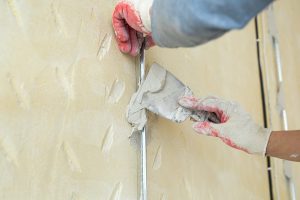
Plaster is not merely a wall finish. In St. Louis, it occupies a special niche in the city’s storied architectural tradition, marrying classic form with savvy functionality. Its persistence in homes and historic buildings demonstrates why expert restoration and maintenance still matter.
Its Character
Plaster has an artistic flair. It allows craftsman to mold surfaces with hand applied textures, arches and trim. Decorative finishes, whether it’s a sleek Venetian, some fancy crown moldings, or tadelakt, add a layer of depth and style that drywall will never have.
In traditional St. Louis neighborhoods, decorative plaster ceiling medallions and cornices indicate a building’s vintage and provide unique charm. This versatility provides designers the ability to complement numerous designs.
Restoring a 1900s CWE mansion or freshening up a downtown loft, plaster stretches from old-world, European-inspired style to sharp contemporary edges. It’s like a blank canvas, making every space its own special, one-of-a-kind thing, much like this city itself, a combination of old and new.
Its Durability
Plaster’s strength is legendary for a reason. Homes with original plaster from the early 20th century endure, unlike drywall, which is good for 20 or 30 years. Its composition is dense, resisting everyday scuffs, dents, and even fire, all important for peace of mind in both family homes and historic buildings.
St. Louis weather is rough on stuff. Our summers are hot and humid and our winters are icy, so things expand and contract. Plaster may crack from this shifting. Master restorers employ premium compounds to mask patches effortlessly.
That saves the original wall, keeps the home healthy, and keeps maintenance low. Well-maintained, the refinished surface remains gorgeous and durable for decades.
Its Silence
Plaster has a silent power. Its density makes it a superb sound barrier, knocking down echoes and noise transference. Such is prized in urban dwellings where street noise or an active household can intrude on quiet.
Plaster walls prevent voices and footsteps from emanating from room to room, ensuring privacy. It embraces a tranquil environment, contributing to concentration and serenity, which is essential for both students and telecommuters.
Of course, expert installation is important because tiny cracks and other flaws can undermine soundproofing advantages. A pro will guarantee that each layer is put on right, making for walls that are not only gorgeous but soundproof.
The St. Louis Challenge
There are unique challenges to keeping plaster in St. Louis. Whoever built for the city’s hot, dank summers and freezing snow-laden winters, particularly the plasterwork of homes and public buildings, wears out quickly. Temperature swings tug at plaster and moisture travels through walls, causing cracks and pockets of rot.
What makes things even more complicated is the historic nature of many St. Louis buildings, where repairs must strike an equal balance between preservation and performance. Below, the local challenges are dissected to reveal what makes plaster patching here so unique.
Regional Factor | Effect on Plaster Integrity |
|---|---|
High Humidity | Leads to moisture buildup, mold, and softening |
Foundation Shifts | Causes cracks, detachment, and ceiling sagging |
Regional Humidity
Humidity in St. Louis remains oppressive much of the year, especially in the summer. Plaster walls and ceilings absorb moisture from the air, which can cause the surface to soften, loosen keys and admit mold. This danger is even greater in older homes with sparser insulation or airflow.
Moisture control matters most for keeping these surfaces solid. Without it, paint peels and plaster crumbles and you find yourself always painting or patching. Local repair companies emphasize moisture barriers in basements and attics and dehumidifiers to keep dampness in check.
- Knock all loose or damaged plaster off and dry completely.
- Apply vapor barriers like special primers or sealants to the substrate.
- So go and use high-lime or moisture-resistant plaster mixes appropriate to your local climate.
- Complete with breathable paints that enable trapped moisture to escape.
Nearly every business around these parts is aware that the weather can turn on a dime. They employ materials and tools designed specifically for the region’s moisture and test for hidden leaks or water damage prior to working.
Foundation Shifts
St. Louis lays on ground that’s continually shifting, so cracks in plaster walls or ceilings are a norm. Shifting soil, ancient foundations and the city’s freeze-thaw cycle all contribute, resulting in cracked and fading concrete and eventually compromised pavement.
Good plaster repair begins with a strong foundation. Handy repair crews inspect for foundation issues prior to filling cracks or openings. Otherwise, repairs are temporary.
If the base is unstable, repairers can inject stabilizing materials or add supports or adjust the grade around the house. They employ mesh, anchors, and flexible joint compounds to assist the new plaster in dealing with small shifts without crumbling.
In older homes, this step is crucial to preventing repairs from breaking down again. Not every tinker has a knack for such work. Those who do can catch early warning signs and know what products last longest in these conditions.
Historic Structures
St. Louis is filled with historic homes and buildings, some with original plasterwork that is over 100 years old. Maintaining these finishes isn’t just about aesthetics. It’s about maintaining the character and value of the investment.
Restoration Technique | Purpose |
|---|---|
Hand-casting moldings | Restores lost or damaged ornamentation |
In-situ patching | Blends repairs into existing surfaces |
Traditional lime plaster | Matches historic materials and finishes |
Feathered edge blending | Minimizes visible repair seams |
Older plaster requires special attention. Hand-casting moldings, lime-based plasters, and original-finish matching — all of these techniques help to maintain the original aesthetic. Such work requires patience, care, and an understanding of old and new building codes.
Neighborhood businesses have teams trained in conservation standards. They collaborate with homeowners and city officials to comply with restoration regulations, ranging from small fixes to major rehabilitations.
Having worked on St. Louis buildings, they know what to anticipate and how to innovate without endangering the building’s heritage.
Our Repair Philosophy
With a strong repair philosophy guiding every project from St. We understand that each repair is unique and influenced by nuances in weather, home age, and homeowner preferences. We take a customer-first approach that combines expert craftsmanship with attentive service. We seek to craft solutions that are long-lasting and preserve the character of your spaces.
Our step-by-step approach to plaster repair includes:
- Assess each area for visible and hidden damage.
- Protect and prep the workspace and surrounding finishes.
- Match existing plaster finish, color, and texture.
- Apply new plaster using careful layering and smoothing.
- Finish with quality checks and final detail work.
1. The Assessment
We begin with a comprehensive inspection of all cracked, hole, or loose plaster. We check for water marks, stress fractures, and signs of age, particularly in the older St. Louis homes where wild weather swings are tough on walls.
Every visit comes with a consultation of the owner regarding issues and previous repairs. Repair done right requires proper diagnosis to select the optimal repair approach. Ignoring the little things means more significant repairs down the line.
We use flashlights, measuring tools, and years of experience to catch hidden damage. We maintain full transparency with customers about what we find, repair options, costs, and expected timelines, so there are no surprises.
2. The Preparation
We lay down drop cloths and tape to protect floors and furniture from dust and debris before any work begins. We take all loose or weak plaster off and clean the area for the best plaster bond.
We compact the edges and moisten the surface to assist new layers to adhere. Trowels, hawks, and sponges create a smooth base. Thoughtful planning ensures an easy repair and a home that stays clean.
3. The Match
Old plaster matching is an art. We examine the wall’s texture, paint color, and finish before blending new plaster. St. Louis old homes often have custom sand or lime mixes, so we use samples to test color and grain for a near perfect match.
Details count. A missed swirl or incorrect grit will be noticeable. We apply small test patches and customize from there. Here, our objective is to repair so that repair and original work meld together as one, preserving the look and value of the home.
4. The Application
We blend premium plaster for durability and smoothness, laying it down in thin coats. Each coat dries before the next is applied for maximum durability. Our plasterers employ a mix of old and new tools, smoothing and feathering edges to conceal seams.
Steady hands and sharp eyes keep us from bulges or dips. The right tools—floats, straightedges, wet sponges—make a world of difference to finish and speed. Every job is verified for flatness at each step.
5. The Finish
Finishing touches distinguish us. We sand the final coat and perform paint touch-ups for any minor imperfections. Quality control involves viewing repairs from all perspectives and addressing anything that catches your eye.
A quality finish isn’t just attractive; it assists repairs in withstanding Missouri’s blend of humid, hot and cold. We always inform owners of the work before we leave and provide care tips and a schedule for future checks.
Beyond Simple Cracks
More Than Just Crack Patching
A lot of the homes and buildings in St. Louis have historic plaster work, decorative elements and special finishes that require more than simple crack repairs. Neighborhood firms address everything from repairing ornate embellishments to remediating water damage to creating perfectly level surfaces. Alma Mater requires skill, careful prep, and a good mastery of the old as well as the new.
Services offered include:
- Repair of cracks, holes, and structural weaknesses in plaster
- Restoration of decorative plaster, including medallions and cornices
- Water damage assessment and remediation to improve plaster stability
- Skim coating for smooth or updated surfaces
- Soundproofing and insulation using plaster-based methods
- Historical preservation using lime or eco-friendly plasters
- Not just cracks, full-room or accent wall resurfacing for chic modern or rustic traditional looks.
Medallion Restoration
Restoring decorative plaster medallions is a specialty service in St. Louis, due to the city’s abundance of historic architecture. Plaster medallions can adorn the ceiling and become a point of focus in an older home. It begins with a professional inspection to outline the gaps or decay, followed by purifying and priming the surface.
Master plasterers work their magic with molds and hand tools to replicate the original pattern, sometimes even making new ones from scratch. Beyond simple cracks, this work blurs art and science, inspired by old-world techniques such as lime plaster, which is both breathable and organic.
With attention to every detail, artisans revive the building’s personality as they reinforce its strength.
Water Damage
Water intrusion is an issue in local homes, particularly in basements and around windows. Early signs are stains, blistering paint and soft or crumbling areas. St. Louis companies begin by conducting a leak and hidden moisture inspection, because if you ignore what’s under the surface, you’re going to get backlash.
This process doesn’t just fix simple cracks, but gets the damaged plaster out, dries the area and replasters with up-to-date materials that are more durable and flexible. Water damage repair not only brings back the visual appeal, but it guards against mold, smell and further deterioration.
Meticulous prep such as sealing off the work area and dust control avoids mess and guarantees a solid repair.
Skim Coating
Skim coating provides a method to revitalize aged or coarse plaster walls. It is the process of applying a skim coat of drywall mud or plaster over everything to conceal the imperfections and give you an entirely new surface. This one takes some patience and steady hands.
It is commonly applied under paint or as the finished surface in new and old homes alike. It can be labor intensive, but the reward is a surface that is like new in appearance and resonance. Unlike quick patch jobs, skim coating provides long-term value and reinforces the underlying plaster.
Our Local Footprint
Our work in St. Louis is grounded in being of this place. With our locally owned and operated plaster repair shop, we know the city and its neighborhoods. A lot of homes and businesses here have their own quirks – thick walls, old trim, unique layouts. Between Lafayette Square and Tower Grove, our team has spent years working with homes built in all different times and styles, discovering what fits best.
This local footprint means we see things outsiders might miss, like how plaster in Soulard can crack from river damp or how the clay soil in Webster Groves shifts and stresses old walls. Our team knows how the St. Louis weather affects plaster. Hot, muggy summers and cold, damp winters can aggravate cracks or erode finishes. Everything we select is put to the test in these weather swings.
For instance, we frequently utilize lime plaster mixes that hold up against the Midwest’s intense temperature fluctuations and humidity. We comply with local building codes, which are rigid in historic neighborhoods to maintain the appearance and atmosphere of the city’s history. We know this from years of working with inspectors and homeowners who value keeping original features, like curved ceilings or ornate medallions, intact, particularly in historic districts.
A lot of St. Louis homes have plaster that dates back a hundred years or more. Repairing these walls requires a steady hand and unique expertise. We employ time-honored methods, such as three-coat plastering or matching horsehair mixes, to integrate new patches into old skins. That’s a big deal in areas like the Central West End or Benton Park where residents want to maintain their homes’ authenticity.
Working in these spaces has shown us how to combat everything from sagging ceilings to patching decorative moldings that you don’t find in new construction. We’re not just working for homeowners. We join forces with local businesses, from The Hill coffee shops to downtown offices, assisting them in maintaining their own vintage spaces.
By sourcing materials locally and employing locally, we do our part to keep the local economy thriving. We back local organizations, like historic preservation groups and neighborhood shindigs. Trust is important here, so we rely on word-of-mouth and our reputation to keep us busy. Less trucks, less driving, and less carbon footprint mean we’re making our work better for the city as well.
Choosing Your Artisan
Why you need to choose the right plaster repair guy in St. Louis for both the look and life of your home. Plaster repair is not for every contractor. You need someone who understands the craft and the special requirements of local structures. St. Louis has a lot of older homes with unique plaster walls and ceilings, so it is imperative that you find a company that understands these local quirks.
Understand the importance of selecting a reputable plaster repair company.
That’s how you develop a reputation. When searching for a plaster repair service, inquire for referrals in your community. A good craftsman will offer you a list of local projects you can verify or even visit. This helps you know they’ve done similar work previously and know how to work with the type of walls you have.
You should seek out reviews from St. Louis homeowners. They indicate whether the company completes work on schedule, maintains a clear job site, and addresses issues if they arise. Any reputable business won’t be shy to discuss their previous work or provide photos and case studies, particularly for challenging fixes.
Recognize the value of experience and craftsmanship in plaster repair services.
Experience matters. Plaster repair, particularly on older St. Louis homes, demands more than just trowel chops. Artisans with decades of experience understand how to replicate ancient textures and select the optimal plaster for every project.
Request to view their portfolio. This should range from minor cracks to major patches. Your artisan should describe to you how they work and their tools. For example, fixing a vintage wall is likely to require lime-based plaster, while newer homes may require acrylic mixes. Selecting the right craftsman preserves the appearance and integrity of your walls.
Learn about the qualifications to look for when choosing a plaster artisan.
No two artisans have identical training. Ensure the one you select possesses the appropriate Missouri licenses and can demonstrate liability insurance coverage. Insurance covers you if there is an accident on your site.
See if they keep up to date repair methods and materials. Discuss specifics—how exactly do they intend to repair your wall, what plaster will they use, and how will they match the finish. A reliable artisan will explain their procedure, schedule, and pricing.
Look for fees in the range of $150 to $400 per patch or $50 to $100 per hour, based on work size and texture.
Appreciate the benefits of working with local experts who understand St. Louis’s unique plastering needs.
Local craftspeople are going to have a better handle on your city’s older homes and what sort of plaster is commonly used in various neighborhoods. They know that Soulard’s brick homes may require lime-based plaster, while newer builds in the Central West End may employ other mixes.
Particularly impressive are these artisans’ abilities to match textures and finishes, even on curved surfaces or ornate cornices. They appreciate a clean work space as well, so it’s easier on you and your family.
Conclusion
Plaster in St. Louis, Old Homes and City Pride and Real Craft Experienced crews repair walls that reflect a lifetime of abuse, not just fast fixes. You observe crisp corners, graceful curves, and paint that blends in perfectly with the balance of the room. Local plaster techs understand exactly how the Midwest weather messes with walls – freeze, thaw, and repeat. No quick fixes or guesswork, just quality craftsmanship that stands the test. St. Louisans trust hands that know these old bricks and beams. To keep your home tough, call a crew that loves the craft and the town. Got a wall that needs fixing or an ancient ceiling revived? Contact and experience a real St. Louis plaster repair!
Frequently Asked Questions
What makes plaster a good choice for St. Louis homes?
Plaster is durable, mold resistant, and keeps your home cooler in the summer. A lot of old St. Louis homes employ plaster for its timeless appearance and durability.
How do you approach plaster repair in older St. Louis homes?
We match original materials and textures with time-tested techniques. This maintains the home’s character and complies with local historic requirements.
Can you fix more than just small cracks in plaster?
Yep, we do it all from hairline cracks to significant water damage, sagging ceilings, and holes. We bring back both beauty and utility.
How long does a typical plaster repair take in St. Louis?
Most minor repairs require only one or two days. Bigger work, particularly in historic homes, will require more time. We’re always upfront about timing.
Why choose a local plaster repair company in St. Louis?
Local companies know St. Louis architecture, weather, and building codes. We know historic districts and offer speedy, friendly service.
Are your plaster repair methods safe for older homes?
For sure. We utilize safe, dust-controlled methods and products that won’t damage your house’s structure or indoor air quality.
How do I know if my plaster wall needs repair or replacement?
If you notice cracking, bulging or peeling, it needs fixing. Complete replacement is uncommon. We try to preserve as much original plaster as we can.