

- Key Takeaways
- Why Plaster Endures
- St. Louis Plaster
- Our Restoration Process
- Beyond The Wall
- Choosing Your Artisan
- Start Your Project
- Conclusion
- Frequently Asked Questions
- What makes traditional plaster better than drywall for ornamental repair in St. Louis?
- How long does a typical ornamental plaster restoration take?
- Can you match original plaster texture and paint in historic St. Louis homes?
- Will modern materials harm old plaster in a restoration?
- How do you handle structural cracks and water damage on ornamental plaster?
- Is ornamental plaster repair more expensive than replacing with drywall?
- How do I choose the right artisan for plaster restoration in St. Louis?
Key Takeaways
- Plaster delivers timelessness and elegance to St. Louis buildings and enables repairs and restorations that maintain the original artistry and architectural integrity.
- Plaster’s mass lends itself to sound protection and imparts a peaceful, substantial feel to interiors. Keep surfaces clean and repair leaks to preserve acoustic gains.
- Well-installed ornamental plaster provides a luxury tactile experience with bespoke textures and finishes that suit historic locations like the Fox Theatre and contemporary interiors.
- Plaster Repair In St. Louis Our St. Louis climate requires frequent inspections and moisture controls like vapor barriers, ventilation, and localized dehumidification to keep plaster from deteriorating.
- Adopt our systematic restoration process from initial condition evaluation to environment-specific material choices to structural support and accurate ornamental reproduction for historically correct, code-compliant outcomes.
- In hiring a St. Louis plaster artisan, select locally proven contractors, check preservation code expertise and portfolios, get several bids and ask for references to safeguard your investment and enhance your property’s value.
Plastering St. Louis ornamental repair refers to the trade of fixing decorative plasterwork on historic homes and buildings in St. Louis. Contractors evaluate damage, replicate historic moldings, and employ lime or gypsum plasters to repair cornices, medallions, and pilasters.
Repairs adhere to local preservation guidelines and frequently require scaffolding and moisture management to combat the city’s humid summers and freeze-thaw winters. My guide below details steps, materials, costs and local contractor tips.
Why Plaster Endures
It’s this combination of beauty, durability, and reparability that has made plaster a preferred material for centuries and what makes it the cornerstone of Plastering St. Louis Ornamental Repair work. In front of the H3’s, key features are summarized beneath.
- Compact, hard surface resists dents and wear better than conventional drywall.
- Fine-detail finish holds crisp ornamental lines and profiles.
- It can be patched and recast without replacing entire wall sections.
- Natural thermal mass helps steady indoor temperatures.
- Acoustic damping reduces room-to-room noise.
- Here’s the catch. It was compatible with the lime and gypsum mixes used in historic St. Louis buildings.
The Sound
Plaster walls provide significantly improved sound insulation when compared to single-layer gypsum board as plaster is applied in multiple coats that adhere to lath or masonry. The mass and continuity dampen airborne and impact noise. Rooms with plaster feel quieter; you detect less hallway chatter and bass bleed from a neighbor’s stereo, and a stronger sense of privacy in your office or bedroom.
The solid, wall-to-wall bond decreases flanking paths for sound, so less energy passes through cavities than with stud-and-drywall assemblies. Caring for plaster—holding coats, mending cracks, maintaining window and door seals—preserves those acoustic defenses for decades and sidesteps noise leaks that emerge when seams part or finishes deteriorate.
The Feel
Good plaster in St. Louis interiors tends to feel sheer and chilly, particularly in the more vintage brick homes where plaster rests on solid masonry and helps tamp down extreme indoor temperature swings. Compared with stucco, which is coarser and exterior-oriented, and drywall, which can come across faint and paper-backed, plaster feels dense and weighty under hand.
Decorative and ornamental plaster affords homeowners the option of textures ranging from near-glass smooth to patterned relief, including cornices, medallions, and friezes that beckon to be touched and inspected. There’s something about a beautifully tended plaster wall that just feels high-end. It speaks of attention and brings perceived value to homes and businesses alike.
The History
Plaster runs deep in St. Louis architecture, in places like the Fox Theatre and the Victorian homes surrounding Lafayette Square, where intricate plasterwork is still a hallmark. Decorative plaster has preserved original artistry and historical fidelity during restorations, enabling crews to recreate profiles and moldings from vintage photographs or remnants.
Master plasterers locally have handed down methods via apprenticeships, preserving gypsum and lime blends, trowel techniques, and mold making expertise for fresh fixes. This tradition fuels genuine Plastering St. Louis Ornamental Restoration that preserves structures to their original heritage.
St. Louis Plaster
St. Louis offers an interesting blend of old stock and new construction. Plaster patching there tends to involve a combination of artisan craft and pragmatic improvisation. Plaster St. Louis Decorative Restoration ranges from complete re-lath and lime in a 1935 Tudor to nice cosmetic “scuff” work where past owners treated plaster like drywall.
Here is a quick rundown of typical issues and possibilities on local work.
| Challenge | Opportunity |
|---|---|
| High humidity and freeze-thaw cycles cause hairline cracks and delamination | Use of lime-based plasters and modern vapor-permeable finishes improves longevity |
| Prior improper drywall-style repairs that hide original profiles | Skilled craftsmen can restore original moldings and ceiling medallions |
| Historic details in neighborhoods like Lafayette Square require conservation | Specialized decorative plaster, including Venetian and ornamental work, adds value |
| Variable substrate conditions (lathe, brick, lath failure) | Full-system repairs allow upgrades: breathable wall systems and insulation access |
| Need for clean, detailed finish work for ornate elements | Local firms like Woemmel Plastering offer focused expertise and careful site control |
Climate Impact
St. Louis humidity and wide temperature swings quicken both moisture migration and stress joints, which diminishes plaster lastingness if the wrong materials are employed. Semi-annual inspections nab early blistering, staining, or soft spots before they need full replastering.
With moisture control, xeriscape, interior dehumidifiers, attic ventilation, and roof and flashing repairs that stop exterior plaster from wicking moisture. Select climate-appropriate mixes: lime or lime-cement blends for breathability on older masonry and gypsum-based interior plasters where conditions remain dry.
Common Damage
- Checklist: Hairline cracks, stepped cracks at corners, bulging or hollow areas, staining, flaking, and loss of decorative edges.
- Settling foundations and seasonal soil movement put tensile stress on your lath and corner beads, causing diagonal cracks. Repeated freeze-thaw cycles stretch them out. Early detection, keeping an eye on corners and above windows, allows you to schedule pining and localized replaster rather than whole-strip jobs.
- A stitch in time saves nine. Minor cracks may be stained with epoxy pins and patch coats. Lath and multi-coat traditional plaster are used on the larger failures.
- Construct a quarterly log that records crack length, width, and changes. Photo trouble spots to monitor progress.
Architectural Styles
- Common local plaster designs include Tudor strapwork, Federal-style cornices, Victorian ceiling medallions, Craftsman flat plaster walls, and Beaux-Arts ornamental swags.
- Elaborate moldings, cornices, and ceiling medallions are common in period houses and require precise molding reproduction.
- Decorative plaster translates beautifully into modern environments. Easier profiles can be re-created in contemporary materials when necessary.
- Match restoration technique to building age: use traditional lime and horsehair methods for historic work. Intermingle contemporary gypsum systems where appropriate.
Our Restoration Process
About Our Restoration Process Plastering St. Louis Ornamental Repair has a defined staged workflow that balances technical rigor with care for historic detail. It starts with a concentrated evaluation and flows through priming, product selection, construction repair, ornamental reconstruction, and finishing touches to maintain the initial structure and provide long-lasting outcomes.
1. Initial Assessment
We test each plaster surface and record cracks, bulges, delamination, and water stains to outline the complete extent of the job. We take moisture meter readings free of charge to discover hidden damp pockets that can sabotage repairs. Estimates represent the kind of repairs required, such as patching, replastering, or complete ornamental remakes, so clients are aware of cost and timeline in advance.
We photograph and trace original moldings and patterns as a reference for later reproduction.
2. Careful Preparation
We remove loose plaster and failed patches with hand tools and where necessary, small power tools while protecting adjacent cornices, trim, and floors. Cleaning consists of eliminating old dust, salts, and paint layers that prevent fresh plaster from adhering.
We mask off trim and furnishings and put down dust control sheeting to maintain livable sites. A written flow of what we restore first, when supports go on, and when casts get made keeps work together and minimizes redos.
3. Material Selection
We ensure select plasters match the original binder, aggregate size, and strength to avoid leaving stiff or soft joins that crack at a later date. Color and surface finish are matched on-site with samples until texture melds invisibly.
We rely on natural and non-synthetic ingredients and we sidestep volatile solvents and nasty additives to safeguard indoor air and long-term substrate health. For uncommon motifs we import lime putty, low-shrink gypsum mixes, and specialty fibers to respect the original craftsmanship.
4. Structural Repair
Where lath is missing or framing has shifted, we add new backing, metal profiles or adhesive ties to re-establish support. Cracks and voids are routed and key-bonded prior to filling to prevent reappearance.
We restore ceiling rings and cornices so loads spread properly, complying with local St. Louis building codes and normal safety practice. Work restores the physical integrity so decorative work rests on a resilient foundation.
5. Ornamental Recreation
Missing rosettes, cornices and moldings are measured, modeled and cast from silicone or plaster molds made from original fragments. We fine carve and hand tool finish seams so joins are visually indistinguishable.
Historical patterns are verified against photographs and archival information to maintain design precision.
6. Final Integration
Finishing coats are sanded where necessary and matched in sheen and tint. We touch up for texture and color, clean the location, and take down masking.
A final walk-through confirms repairs and offers maintenance tips to extend life.
Beyond The Wall
Plastering St. Louis Ornamental Repair is more than patching cracks and touching up cornices. It’s crafting comfort, performance, and lasting value in our local buildings. Plaster has thermal mass and acoustical properties that make indoor spaces more comfortable.
When design is treated as part of a building system, it can optimize energy efficiency and help preserve historic character while accommodating contemporary life.
Moisture Control
Put a transparent moisture plan in place that combines vapor barriers with adequate ventilation. For us in St. Louis, with its seasonal humidity swings and resultant basement water problems, that means a membrane on our foundation walls and controlled attic vents cut back on damp contact with plaster surfaces.
Perform visual inspections a minimum of twice annually and post heavy storms. Search for hairline cracks tracking from window heads, staining by eaves, or efflorescence on interior plaster. These are red flags for water intrusion or failing flashings and gutters.
Use dehumidifiers in your basements, crawl spaces, and moisture-heavy rooms like bathrooms and laundry rooms. One that keeps relative humidity around 50 percent prevents mold and softening of old lime plaster.
Tackle mold issues pronto. Postponing gives salts and mold the chance to feed on plaster and lath and can convert a minor fix into full blown decorative replaster. Typical repairs consist of re-routing downspouts, replacing failed flashing and repairing leaky plumbing.
Modern Insulation
Combine high-tech insulation with time-proven plaster systems to increase efficiency without damaging the aesthetics. Add cavity insulation behind lath where available and include some blown-in cellulose in attic spaces above plaster ceilings.
Choose plasters compatible with upgrades: cement and gypsum blends accept tighter assemblies, while lime plasters tolerate moisture movement and pair well with breathable insulation like mineral wool. Match materials to the building’s original personality.
EIFS plastering and other higher-end exterior plaster systems can provide you with continuous insulation and a finished decorative surface. They must be detailed with care at windows and cornices so as not to trap moisture.
Insulation work often coincides with plaster restoration. When contractors are tearing out damaged portions in older St. Louis masonry homes, they can insert rigid foam, replace insulation, or enhance the air barrier, reducing thermal bridging and decreasing heating bills.
Long-Term Value
Quality Plastering St Louis Ornamental Repair brings significant value to homes. Buyers notice a pristine chandelier and wallpaper as evidence of it being well cared for. Appraisers consider recent updates to older homes.
Well-done plaster lasts decades with low routine upkeep: gentle cleaning, timely small crack repairs, and keeping roof and gutters sound. This reduces lifetime maintenance costs relative to multiple drywall replacements.
Rejuvenated decorative plaster recaptures era appeal so prevalent in St. Louis neighborhoods and can complement historic district stipulations and benefits.
Hire veterans who log methodologies and supplies. Expert craftsmanship minimizes the risk of repeat issues and amortizes the expense across decades, making it a smart purchase.
Choosing Your Artisan
Choosing the right artisan for Plastering St. Louis Ornamental Repair begins with clear priorities: skill, local knowledge, legal standing, and demonstrated results. First, some quick-reference considerations for making your decision, then more detailed advice on local expertise, conservation standards and tested artisanship.
| Factor | What to check | Why it matters |
|---|---|---|
| Experience | Years in trade, examples across small and large jobs | Shows ability to scale and adapt to styles |
| Local projects | Work in St. Louis neighborhoods, Lafayette Square, Soulard | Familiarity with common materials and climate effects |
| Licensing & permits | State licenses, insurance, permit handling | Ensures code compliance and reduces risk |
| Portfolios | Photos of moldings, cornices, ornamental repairs | Reveals attention to texture and finish matching |
| Reviews & referrals | Google, Trustindex, word-of-mouth | Confirms reliability and client satisfaction |
| Pricing model | Square-foot vs hourly, detailed written bids | Prevents surprise charges, helps compare bids |
| Preservation know-how | Experience with historic guidelines and documentation | Protects architectural integrity and resale value |
Local Knowledge
Focus on craftsmen that can talk St. Louis building styles from brick townhouses to classical revival facades. Ask to see samples of work in Lafayette Square and other older neighborhoods. They will demonstrate experience with multiple coats of paint, historic lath and typical settling cracks.
Inquire if the craftsman has worked on both residences and businesses as size alters logistics, scaffold requirements and completion methods. Neighborhood portfolios feature local firms such as Woemmel Plastering, whose repeat customers assume familiarity with local weather systems, seasonal humidity fluctuations and common moisture intrusion sources.
Check licenses and inquire about what they locally source so your repairs age in sync with nearby buildings.
Preservation Codes
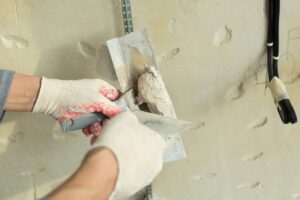
Make sure your artisan is familiar with St. Louis preservation codes and can clarify which of them will impact your work. Big restorations may require permits and documented treatments, so ask to have copies before work starts. Contractors should demonstrate how their method maintains architectural integrity by replicating original molding profiles and employing lime-based plasters when applicable.
Demand to see documentation of code compliance and on-site permit posting as necessary. This safeguards your investment and aids resale. Studies show expert restoration can boost a home’s worth by as much as 15%.
Proven Craftsmanship
Examine portfolios carefully for fine textures, invisible joins, and color and sheen matches. Check star ratings on Google and Trustindex and read narrative feedback for consistency. Request before-and-after shots of complicated restorations and references you can call.
Discuss billing clearly: some artisans bill by the square foot, others by the hour. Get multiple bids and compare the scope, not just the bottom line. Personal referrals still rule. Neighbors that dealt with the same water stain or settling crack situation can steer you toward dependable craftsmen.
Start Your Project
Launch Define the complete work for your Plastering St. Louis Ornamental Repair so contractors know what to quote and prepare for. Layout each location requiring intervention, identify the kind of ornament, such as cornice, medallion, pilaster, or column capital, and characterize apparent damage such as hairline cracks, delamination, missing portions, or water stains.
Spec your finish — painted, color matched, or raw — and any period-appropriate texture or profile. Photograph obvious damage from several angles and measure affected runs in feet to provide precise dimensions. This detail saves time and scope creep.
Reach out to trusted St. Louis plaster repair experts for quotes and consultations. Seek out companies with local licensing, liability insurance, and specific experience in historic ornamental plaster. Refer to local preservation groups, St. Louis neighborhood associations, or the MSHP office lists to discover specialists knowledgeable about local building fabric and climate factors like humid summers and freeze-thaw cycles.
Call, email, and send over your photos and measurements so the contractor can provide a more specific initial estimate. Think about what you really want and need ahead of time and prepare a project outline to show contractors before you meet.
Keep in mind restrictions such as access, including scaffolding and tight staircases, work times, noise restrictions, and any building regulations in multiunit buildings. Determine reasonable lead times and budget ranges in USD and if you require temporary furniture and finish protection.
If the building is historic, document any preservation restrictions or required materials, such as lime plaster versus gypsum. Come prepared to talk about substrate and if you need lath or metal bead replaced.
Ask for references and samples of similar completed work. Request recent pictures of decorative restoration work in St. Louis area homes or public buildings and for phone numbers of former clients you may call. Make sure examples demonstrate clean joins, matched profiles and stable finishes.
Ask about methods used, such as composite repair, cast replacements, or in-situ patching, and request warranty terms. Check online ratings but give more weight to personal referrals and proven before and after photos.
Schedule an initial assessment to begin the restoration or repair process efficiently. Arrange an on-site visit so the specialist can inspect underlying conditions, test for moisture or paint layers, and advise on repair sequence and timeline.
Confirm a written estimate that breaks down materials, labor per hour or per square foot, scaffold costs, and disposal. Agree on a start date, daily work window, and a clear payment schedule with holdbacks tied to milestones and a final inspection.
Conclusion
St. Louis plaster – craft and history. Our local homes and theaters display ornate cornices, medallions, and moldings that require craftsmanship to repair correctly. Our steps give clear checks: inspect, match mix, shape details, cure, and seal. Experienced hands reduce repair time and save over full replacement. For a college grad on a budget, a targeted repair maintains character and keeps costs low. For a young pro planning a refresh, a matched finish boosts curb appeal and rental value. For older homeowners, expert repair prevents leaks and preserves design.
Search for a craftsman who exhibits previous work, provides a materials list, and offers a transparent timeline and price. Need to schedule a quote? Contact today for a local estimate and schedule.
Frequently Asked Questions
What makes traditional plaster better than drywall for ornamental repair in St. Louis?
Old fashioned plaster retains ornate profiles and fine detail so much better than drywall. It’s more durable in historic homes and blends with original textures. Plaster protects the architectural integrity of St. Louis buildings and holds up to our humidity and seasonal changes.
How long does a typical ornamental plaster restoration take?
Minor repairs or patching typically require 1 to 3 days. Full room or intricate ceiling restorations can take 1 to 3 weeks depending on detail, drying times, and any needed custom molds. We plan to reduce disturbance and preserve period finishes.
Can you match original plaster texture and paint in historic St. Louis homes?
Yes. Skilled craftsmen utilize molds, hand-tooling, and period materials to replicate texture and profiles. We employ paint-matching to seamlessly blend new work with original finishes.
Will modern materials harm old plaster in a restoration?
Not when selected with care. We employ compatible lime or gypsum-based plasters and reversible adhesives. That keeps moisture traps and stress that can come with incompatible modern cement-based products.
How do you handle structural cracks and water damage on ornamental plaster?
We identify the underlying causes first, such as roof leaks, settling, or vibration. We fix structure and lath where necessary, then reconstruct decorative details with the proper materials. It keeps it from coming back and keeps the detail preserved.
Is ornamental plaster repair more expensive than replacing with drywall?
Ornamental repair is more expensive than drywall, at least initially. It retains historic value and prevents costly restoration down the road. St. Louis plastering ornamental repair Historic St. Louis properties tradition is that repair typically generates more resale value and authenticity.
How do I choose the right artisan for plaster restoration in St. Louis?
Search for license, local project photos, references, and historic plaster specialty. Inquire about materials, repair processes, insurance, and warranties. Local experience with St. Louis architecture is a bonus.