

- Key Takeaways
- Why Plaster Fails
- The Repair Process
- St. Louis Specifics
- Choosing Your Pro
- Understanding Costs
- Beyond The Patch
- Conclusion
- Frequently Asked Questions
- What causes plaster walls to crack or fail in St. Louis homes?
- How long does plaster repair usually take?
- Is it better to repair or replace plaster walls?
- How do I choose a plaster repair company in St. Louis?
- What does plaster repair cost in St. Louis?
- Can I repair plaster myself or should I hire a pro?
- What are the benefits of professional plaster repair?
Key Takeaways
- Our professional plaster repair in St. Louis makes sure to look at all of the factors that may be contributing to your damage, including humidity, foundation shifting, and water penetration common in our local climate.
- The restoration of St. Louis’s historic homes requires material-specific solutions to maintain architectural integrity while satisfying today’s standards and codes.
- It should include proper prep, careful material matching, and expert application to guarantee a flawless finish and lasting performance.
- Local experts familiar with St. Louis architecture and climate are best qualified for small repairs and large restorations alike and would be sure to follow local codes.
- Homeowners should know that repair costs can differ depending on the extent of damage, material requirements, and labor rates, so it is ideal to secure numerous estimates and plan for contingencies.
- Texture blending and color matching are essential for a super seamless professional finish that preserves the value and beauty of St. Louis homes.
A plaster repair company in St. Louis assists in repairing cracked or damaged walls and ceilings at homes and historic structures across the city. These companies work with local materials and understand the typical plaster problems in St. Louis homes, such as settling cracks or water stains.
They employ basic tools to repair, sand, and even out surfaces. Some even match old textures to maintain the original appearance. Then watch how good repair really makes a difference.
Why Plaster Fails
Plaster failure is a constant in St. Louis homes, formed from the city’s climate, the age of its homes and the rhythms of daily life. Knowing what causes plaster to disintegrate allows homeowners and building managers to select appropriate repair methods and safeguard their property’s value.
| Cause | Impact on Plaster |
|---|---|
| High humidity | Softening, cracking, and increased risk of mold |
| Foundation shifts | Cracks, separation, and plaster pops |
| Water intrusion | Staining, bubbling, eventual loss of plaster adhesion |
| Everyday accidents | Holes, chips, and unsightly surface damage |
| Poor application | Early cracking, weak bonds, and premature failure |
| Lack of maintenance | Worsening of minor cracks, costly repairs later |
| Structural issues | Uneven surfaces, recurring damage |
| Material limitations | Shrinkage, brittleness, and age-related breakdown |
Humidity Havoc
St. Louis summers are humid and the humidity insinuates into plaster and rots its heart. This softening can result in premature cracking or even sagging, particularly in older homes without contemporary insulation or vapor barriers.
The moisture from daily life, whether it be cooking, showers, or even plants, will accumulate if there’s insufficient ventilation, leading to ceilings that stain or bubble. Eventually, this moisture brings in mold, which continues to destroy the plaster’s surface and its framework.
Installing dehumidifiers or enhancing ventilation with exhaust fans assist in maintaining indoor humidity. Checking attic and crawl space ventilation helps plaster longevity. For already soggy homes, our experienced techs utilize moisture meters to locate the wet areas and apply patching compounds or mesh tape, bringing back both appearance and structural integrity.
Foundation Shifts
Moving soil and freeze-thaw cycles in the St. Louis area frequently strain foundations. Virtually any minor shift can make plaster crack or pop off the wall. Dead giveaways are diagonal or stair-step cracks and separations around windows or doors.
Sometimes the trouble is subtle — a few millimeters of shift — but sufficient to wreck a smooth plaster surface. Treating the underlying cause is essential. Plaster won’t last if the foundation keeps moving.
Homeowners should work with a qualified structural engineer to check for settling before repairing the plaster. Repairs should only proceed after the foundation has been stabilized to prevent cracks from returning.
Water Intrusion
Water damage is a number one danger, leaving brown stains, blistering, and crumbling. When detected, it’s important to repair leaks and immediately dry the area.
Common sources of water intrusion include:
- Leaking roofs
- Burst or dripping pipes
- Faulty gutters or downspouts
- Poorly sealed windows or doors
Using waterproof sealants or membrane systems helps guard against future moisture and keeps plaster intact.
Accidental Damage
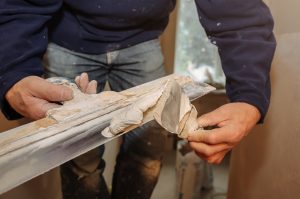
Daily wear and tear – shifting couches, mounting bookcases or children rough-housing can punch holes or chip plaster. These bumps may appear insignificant, but by dismissing them, you allow cracks to expand and paint to flake, aging your rooms prematurely.
Fast fixes prevent harm from spreading. A good plasterer can texture-match and finish-blend patches. Tiny holes require simple fixes, but larger areas like post-water leaks sometimes demand more intense restoration.
The Repair Process
Good plaster repair in St. Louis is a process, a methodical, step-by-step procedure influenced by local building codes and conditions. Experienced firms understand how to deal with city ordinances, particularly in historic neighborhoods where the original features must be maintained.
It’s more than just surface fixes. Real plaster repair is about bringing the strength and look of a wall back.
1. Damage Assessment
A plaster specialist begins with an inspection, exploring cracks, water stains, and bulges to determine the extent and depth of the damage. Documenting, frequently with photos and notes, provides a definitive record for both the repair strategy and any insurance requirements.
In many St. Louis homes, particularly those constructed prior to 1950, a deep inspection can expose concealed issues such as loose lath or moisture intrusion.
Open, honest communication with homeowners is crucial. Our pros detail what is discovered and provide next steps, so there aren’t any surprises down the road. This transparency engenders trust and guarantees that we all agree on the scope before the work starts.
2. Careful Preparation
Preparation begins with furniture shifting and floor and fixture covering. Plaster dust is fine and insidious, so plastic sheeting and painter’s tape are the order of the day. Fresh air, whether from open windows or fans, is safer for workers and residents alike.
All your tools, from hawks and trowels to mixing drills, should be prepared before repairs get underway. A neat, well-organized work environment prevents errors and makes the work go faster.
3. Material Matching
Picking the appropriate repair material is key for blending. St. Louis homes frequently employ lime-based plaster in historic builds and gypsum in postwar construction. Expert judgment is needed to match texture and hardness.
Modern synthetic compounds are suitable for small cracks, while traditional mixes are used for larger work. They use pros to source good materials that work well together — often custom-blending lime or gypsum on site.
This makes sure the repair endures and doesn’t appear different from the original wall.
4. Skilled Application
Seasoned plasterers will put their new material in multiple layers with proper curing in between. Fasteners could be applied to secure loose plaster to lath, restoring the wall behind the patch. Tricks such as floating and feathering edges assist the new plaster in blending.
During the process, homeowners and tradespeople should stay in touch, talking about progress and adjusting as necessary. Our meticulous repair process helps them deliver repairs that satisfy St. Louis’s exacting standards for historic and contemporary homes.
5. Seamless Finishing
The last step is sanding and smoothing the surface so the repair goes unnoticed. Texture matching is an art. Some walls get a smooth finish, while others have a subtle swirl or stipple to replicate older plasterwork.
Upon completion, a careful walk-through picks up any imperfections requiring a minor touch-up. Small repairs, such as hairline cracks, could possibly finish in a day.
Big or multi-coat jobs might take weeks, particularly if they require each coat to dry completely. Our aim is always a sturdy, gorgeous wall that blends seamlessly with the rest of the house.
St. Louis Specifics
There are unique requirements for plaster repair in St. Louis. One of the things St. Louis is known for are her historic neighborhoods, with homes that often boast original plaster finishes. They appreciate fine workmanship, and they’re so proud of their local architecture that any repairs need to blend seamlessly with the original look and feel. Local building codes and regulations are strict, so knowing these rules is key for any plaster repair company working here.
Historic Homes
St. Louis has millions of old houses, particularly in Lafayette Square and Soulard. Plaster walls and ceilings in these homes are often more than 100 years old. Fixing these surfaces may be challenging due to their original materials and application techniques compared with current ones. Contractors must find ways to patch up cracks or holes without spoiling the appearance.
To maintain the charisma and worth of these homes, you need to replicate the old textures and finishes. Expert plasterers employ hand tools and lime-based plasters, mimicking the process by which the walls were originally constructed. Certain work may require that you use patches to match the room exactly.
It’s clever to hire somebody who actually knows how to work on historic sites. These pros know how to respect preservation regulations and select appropriate materials for aging walls.
Modern Methods
Advance in materials and tools have turned plaster repair in St. Louis faster and more durable. Contractors employ lightweight plasters and drywall for patching, which expedites the work and controls dust. Some firms weave in fiberglass mesh to support vulnerabilities.
New approaches don’t imply ancient abilities get overlooked. The top repair crews St. Louis hits blend new goods with old-world craft. For instance, they could employ base coats for durability and then finish with hand-troweled plaster for a seamless, timeless appearance.
St. Louis Specifics Staying current with trends such as low-dust compounds or environmentally friendly plasters allows our local pros to provide superior results. Several St. Louis companies boast their craftsmanship in project portfolios, allowing clients to check out before and after repair photos.
Local Climate
St. Louis weather goes from hot, humid summers to cold, wet winters. These shifts can put stress on plaster walls, making them break or crack. Water is a huge concern, particularly in basements or rooms that may not be well secured.
Homeowners need to watch for signs like bubbling paint or damp spots, which indicate moisture is creeping behind the plaster. Stl plaster repair companies seal walls and patch cracks to prevent water damage. They provide tips on maintaining plaster, such as operating dehumidifiers in the summer or inspecting for roof leaks pre-winter.
Thousands of St. Louisans are reading reviews to choose the best repair shop. Licensed and local experts usually receive more positive feedback since they understand the climate and architecture. Supporting a local business means quicker service and less travel expense.
Choosing Your Pro
Picking a plaster repair company in St. Louis is more than just finding the contractor with the lowest bid. With Boston’s combination of older brick homes and more recent construction, your repair needs may range greatly. It’s crucial that you find pros with both the technical expertise and regional knowledge. Plaster repair requires more than just cosmetic touches; it requires a professional who understands the climate, the building codes, and the unique nuances of St. Louis architecture.
Homeowners who vet their options, compare quotes, and ask pointed questions are more likely to end up with results that stand the test of time.
Local Specialists
Begin by looking for plaster repair experts who specialize in St. Louis. These pros usually have a portfolio that displays work on local houses, allowing you to gauge their experience with the city’s popular building materials and aesthetics. By looking at client reviews on Google and Angie’s List, you get an impression of their accountability and craftsmanship.
Most reputable companies will provide references too, so be sure to request to talk to former clients. Make sure any specialist has the proper licenses and certifications in Missouri. This step ensures they understand current building codes and keeps your project compliant.
St. Louis homes encounter their own special climate challenges, such as sticky summers and freezing winters. Selecting a plastering expert who knows how these elements affect plaster longevity and can suggest the best materials is key.
General Contractors
For big remodels where plaster patching is merely one piece of the plan, a general contractor might be the way to go. Certain general contractors oversee teams that take care of everything from drywall to electrical, so the coordination is easier. Not all GCs are equally good at plaster repair, though, so request similar project examples.
Check their project timelines and receive an exact completion estimate. Establish upfront who will be doing the plaster repair. Some actually subcontract this work, which affects quality and accountability. Set the scope and costs in writing upfront, and know what’s included in the contract.
Open lines of communication help you avoid confusion later on.
Vetting Questions
Compile your question list before you call potential plaster repair pros. Inquire about their prior involvement in similar repair projects within St. Louis neighborhoods. Discover whether they provide warranties or guarantees on their work, as this gives you peace of mind.
Inquire about how they evaluate plaster damage and whether they inspect for underlying problems such as moisture or settling. Good contractors will talk about their process, materials used, and how they will match new plaster with old.
Ask about their project management style—do they have a single point of contact and how do they keep clients updated? These specifics count for an easy fix.
Understanding Costs
As you can see, St. Louis plaster repair costs are influenced by a variety of factors specific to our local climate, architecture and workforce. Homeowners can expect a spectrum of costs, from small-scale repairs to full-on restoration, with prices reflecting both project scale and local guidelines for historic or weather-resistant building practices.
It’s about understanding what drives costs and how to budget for those inevitable surprises that tend to show up once you get going.
- Minor repairs (nail holes, hairline cracks): $20 to $30 per sq. ft.
- Larger cracks over 1/4 inch: More complex, higher cost.
- Total repair range: $20–$120 per sq. ft.
- Average project cost: $48 per sq. ft.
- Minimum service fee: Often $75 for small jobs.
- Weather extremes and historic buildings affect costs.
- Hidden problems, such as water damage and lath, can contribute to the final tab.
Repair Scope
Scoping the repair is the first step. Minor repairs, such as filling a few nail holes, might require just some cosmetic work and be cheaper. When damage extends over a larger area or entails wide cracks, the job gets more intricate and costly.
If a wall has multiple cracks that are 1/4 inch or wider, time and costs increase. In historic homes prevalent in older white glove St. Louis neighborhoods, plaster repair can require additional care to satisfy preservation codes or combat previous repairs.
Homeowners should brace for shock. Water damage behind the plaster or old lath that needs replacing can transform a quick fix into a significant repair. Virtually all respected plaster repair companies in St. Louis give transparent price quotes and will explain to customers potential price fluctuations if they discover additional issues.
Find out if they can provide pricing on a few different levels of repair so you are prepared.
Material Needs
- Plaster (5-gallon bucket, avg. $60)
- Joint compound (avg. $12 per tub)
- Mesh tape or paper tape
- Patching plaster or setting compound
- Sandpaper (various grits)
- Primer and paint (if finishing)
Material prices fluctuate. Regular plaster and joint compound are less expensive, but specialty plaster or historic repair products will be higher. Occasionally, it’s clever to use premium materials for long-lasting power, particularly in homes subjected to significant temperature fluctuations or moisture.
For homeowners, it’s a simple matter of deciding whether saving a material cost is worth it or investing for the long haul. A good plaster and tape job will keep cracks from coming back, which means your repairs will go much further and save you money in the long run.
Labor Rates
| Contractor Type | Typical Labor Rate per Hour | Influencing Factors |
|---|---|---|
| General Handyman | $40–$65 | Basic repairs, less experience |
| Specialist/Artisan | $65–$120 | Historic work, advanced techniques |
| Large Companies | $55–$100 | Overhead, guarantees, insurance |
Labor rates in St. Louis are different. A few will bill you by the square foot, others by the hour. It’s worth the effort to obtain quotes from small outfits as well as larger companies.
Check experience. Skilled artisans may cost more but bring expertise in matching old textures or working with historic plaster. That skill comes in handy in a city with such an abundance of pre-war homes.
Rates may vary by season. Peak seasons, such as spring and fall, can be pricier, so scheduling repairs in the winter could cut costs. Experienced craftsmen make sure repairs meld into surrounding walls, minimizing the risk of future issues.
No two damages are the same, which means bringing in a skilled professional is just as important as the hourly rate.
Beyond The Patch
In St. Louis, plaster repair is more than just patching holes. Most homeowners want smooth walls and ceilings that last for years to come, particularly in older home neighborhoods. Plaster artisans around the world employ innovative techniques and sustainable materials to satisfy these needs.
With hot summers and cold winters and a love of historic charm, local specialists have to juggle longevity, aesthetics, and conservation in each project.
Texture Blending
Texture blending is essential for a repair that really disappears into the rest of the room. St. Louis area homes tend to have older plaster that still retains some of the textures no longer used in newer construction. Pros begin by inspecting the substrate, observing whether it is smooth, sand-finished, or decorated with a hand-troweled pattern.
Living up to this isn’t just technique; it is the right tools and materials, occasionally mesh backing for reinforcement or fast-drying mixtures for a taut timeline. Nailing the texture isn’t just patching. It’s about making the repair feel like it was there from the beginning of the house.
For instance, a historic home in the Central West End may feature ornate swirls or gentle stippling. Experienced plasterers concoct their own mixtures, occasionally incorporating sand or lime to achieve the perfect consistency. Texture affects light and shadow and the tactile experience of the room, so this stage can’t be hurried.
Design-savvy clients will sometimes request custom finishes or even new textures that complement the home’s style. For contemporary remodels, mixing and matching can be the difference between a sweet patch-to-accent wall transition and a room that just looks thrown together.
Color Matching
Matching color in plaster repair goes far beyond selecting a paint chip. Plaster gets old and takes paint in a different way, particularly in the Midwest’s fluctuating weather. Local pros apply samples with test patches, allowing them to dry completely so that they can view the actual final color.
This is key to maintaining a wall’s personality, particularly in houses where the original plaster has mellowed for decades. Color matching pros do it for paint and tinted plaster. They tweak formulas in the field, sometimes by adding color directly to the plaster blend.
This provides a uniform surface, so patches do not pop under the sun or the porch light. Color isn’t just for aesthetics; it really pulls the room together. For homeowners desiring a custom touch, pros can recommend muted colors or dramatic accents, turning the repair into an enhancement, not just a patch.
Lasting Integrity
Durability is always a premium. Like the leading companies in St. Louis, we use top quality sand, cement, or environmentally friendly plaster mixes that resist cracking in the city’s harsh climate. Mesh backing and multi-layer applications provide added strength, particularly in older homes with shifting foundations.
Maintenance is another piece of the puzzle. Pros suggest annual inspections, particularly after brutal winters or muggy summers, to check for hairline cracks or moisture spots. Early attention prevents minor issues from turning into costly repairs.
Quality work means no corners cut. Hiring craftsmen and using quality products helps walls look good and maintain strength for years. Great plaster repair, done right, guards your home and your investment.
Conclusion
St. Louis homes reveal their age with cracked plaster, popped keys or old water marks. Plaster work requires keen eyes and gifted hands. Most local pros understand how old brick, high river damp and Midwest weather mess with walls. Plaster repair in St. Louis does not mean a quick fix. Great crews wash out flaky areas, mix up fresh lime or gypsum, then coat and sand until even. Only the right crew preserves historic appeal, prevents fresh splits and smudges hues so fine that the majority of people cannot identify the mend. Time to repair a weary wall or paint prep? Ring up a neighborhood plaster whiz who understands St. Louis houses. They maintain your walls, fortify your home, and style your space for years.
Frequently Asked Questions
What causes plaster walls to crack or fail in St. Louis homes?
Moisture, settling foundations and temperature fluctuations are typical causes of plaster failure in St. Louis. Older homes have these problems because of their age and regional weather.
How long does plaster repair usually take?
The majority of our plaster repairs in St. Louis require one to three days, depending on the size of the job. Bigger or more damaged spaces might require a little more time.
Is it better to repair or replace plaster walls?
Fixing is typically preferred, particularly with old St. Louis houses. It maintains the original appearance and is less expensive than total replacement.
How do I choose a plaster repair company in St. Louis?
Search local experience, real reviews and work samples. St. Louis-based companies that know old homes are usually best.
What does plaster repair cost in St. Louis?
Two hundred to one thousand dollars for most repairs. They are based on many variables including the size of the area, the extent of the damage, and the finishes.
Can I repair plaster myself or should I hire a pro?
You can do DIY repairs for tiny cracks. For extensive damage or historic properties, hiring a St. Louis expert guarantees excellence and protects value.
What are the benefits of professional plaster repair?
Expert repair brings back beauty, blocks additional destruction and safeguards your St. Louis home’s value. Specialists do texture and finish matching.