

- Key Takeaways
- Why Professional Repair
- Common Plaster Issues
- The Repair Process
- St. Louis Considerations
- Choosing Your Expert
- Beyond The Patch
- Conclusion
- Frequently Asked Questions
- What are the benefits of hiring a professional for plaster repair in St. Louis?
- What are common plaster problems in St. Louis homes?
- How long does a plaster repair usually take?
- How does the climate in St. Louis affect plaster walls?
- What should I look for in a plaster repair expert?
- Is repairing plaster better than replacing it?
- What happens after the plaster patch is applied?
Key Takeaways
- By investing in professional plaster repair solutions, homeowners and property owners gain the benefit of expert knowledge, premium materials, and customized repair methodologies that result in durable, visually striking finishes that enhance any space.
- Fixing plaster problems like cracks, water damage, sagging, and crumbling early avoids deeper structural issues and preserves both new and old buildings.
- Well, the repair from diligent evaluation and preparation to meticulous application and professional finishing is key to flawless, long-lasting plaster surfaces.
- St. Louis local climate and building codes must be considered. It’s important to choose contractors who are familiar with regional needs and historic properties.
- Checking contractor credentials, reading in-depth portfolios and comparing detailed estimates are important to guarantee craftsmanship and transparency in plaster repair.
- Quality plaster repair goes beyond just improving structural integrity and property value. It contributes to healthier indoor environments and helps maintain the historical character for future generations.
Plaster repair St. Louis mends wall or ceiling cracks, holes, and water damage in homes and buildings. Contractors employ patching, sanding, and painting to duplicate the old finish. A lot of St. Louis city houses have older plaster walls which require attention for a polished and secure appearance.
Selecting experienced local professionals maintains these properties’ style and value. The middle will demonstrate phase, typical equipment, and advice for optimal outcomes.
Why Professional Repair
Professional plaster repair differentiates itself with a commitment to detail, quality, and durability. Whether you’re working on new homes or restoring old ones, professional repair makes sure the damage is fixed properly and invisibly. It honors original workmanship, maintains the value of your home, and solves all technical and safety issues.
1. Unmatched Expertise
Experienced plaster artisans infuse every assignment with decades of experience. They detect underlying problems, such as structural cracks or water damage, that frequently are overlooked by the untrained eye. They take the pain of inspection and diagnosis out of any repair before they get started.
They know how to replicate decorative elements, match ornate moldings and restore finishes in historic buildings. With such specialized tools and techniques, we are able to apply the coating in a targeted area, so that the replaced surface blends with the existing plaster around it.
This type of expertise means the craftsmanship is less likely to break or require redoing, which is particularly important in properties where authenticity must be preserved.
2. Superior Materials
Professional repair utilizes high-quality plaster, bonding agents, and finishing coats that are formulated to last and be safe. Most opt for low VOC finishes, which are safer for indoor spaces and more environmentally friendly.
Innovations in material technology mean plasters that are simultaneously stronger and more flexible, resisting cracking from seasonal variations in humidity and temperature. These are the materials that have to pass stringent industry tests for quality and finish.
Using substandard products means premature wear, fading, or even hazardous situations. Professionals sidestep these snares by securing only what delivers in real life.
3. Lasting Durability
A professional repair is one that endures, even in areas with constant temperature fluctuations. We fix what’s causing the leaks or shifts, not just the symptoms. They do moisture resistant treatments on walls that get wet, like bathrooms or basements.
A few companies provide warranties, demonstrating belief in their work’s staying power. This minimizes the stress of return visits and the cost of multiple fixes. Durable repairs minimize interruptions to everyday life, a key concern for active families.
4. Guaranteed Safety
Safety is a paramount consideration in every step. They use scaffolding and protective gear and adhere to rigorous safety protocols in order to minimize dangers. They have liability insurance and know the local codes.
This shields employees and tenants alike from harm and liability. Safety training means the job gets done right the first time. Regulations are especially key for historic districts where they’re even higher.
5. Enhanced Value
Professional repair enhances the appearance and value of any home. Fresh, uncracked plaster makes rooms feel more complete and inviting. In period homes, maintaining original plaster provides a genuine charm that buyers appreciate.
A properly maintained surface is less likely to break down, so homeowners sidestep expensive repairs later on. Professional repair is worth it because it saves money and hassle in the long run.
By expertly matching the original finish, we maintain the property’s character, which matters for new or old buildings.
Common Plaster Issues
There are several common issues that plague plaster walls and ceilings in St. Louis area homes, where our shifting climate, humidity and temperature swings really affect them. Here’s the thing about plaster – any problem with a house is going to pop up in the plaster first.
As a homeowner, it’s important to identify typical problems before they develop into something worse and much more costly to fix. Plaster isn’t just a nice look for your spaces, it helps maintain good indoor air quality and can even prevent mold propagation. Addressing minor damages promptly does a lot to maintain strong and healthy walls.
Cracks
Cracks in plaster show up in two main types: hairline cracks and stair-step or settlement cracks. Hairline cracks are very narrow and usually benign, caused by normal settling or slight temperature fluctuations.
Stair-step cracks, frequently located around corners or along joints, could indicate structural movement or foundation concerns. Cracks come from building movement, drying shrinkage, or weather shifting. Occasionally, shoddy installation or aged patch jobs send fresh fissures down their way.
Not all cracks are doomsday. If the crack is more than 3mm wide, jagged and recurs repeatedly after repairs, then it may require professional assistance. Cracks that extend through both the plaster and the underlying materials can indicate more significant problems.
Timely repairs are essential. Mesh tape and the right filler fix cracks from returning. Delaying can result in larger cracks and even loose plaster.
Water Damage
- Yellow or brown stains on walls or ceilings
- Flaking or bubbling paint
- Soft or crumbly spots
- Musty smells, especially after rain
- Discoloration that returns after cleaning
Moisture can come through the weak spots, causing plaster to break down over time. Dampness and leaks cause plaster to become weak, opening the door to bigger issues such as sagging or mold.
Mold spores love damp plaster and that’s bad news for indoor air and health. You’ve got to get to the root of the water quickly, be it a leaky pipe or roof. Periodic inspections, particularly after storms or weather shifts, can identify issues before they become big.
Sagging
| Issue | Solution |
|---|---|
| Bulging or drooping plaster | Reinforce with drywall screws |
| Loss of plaster key | Re-secure or replace loose areas |
| Large, uneven sags | Remove and patch with new plaster |
Yikes, sagging plaster usually begins when the bond between plaster and lath weakens. This can occur from age, water leaks, or even shoddy installation years ago.
Sagging compromises walls as well as ceilings and occasionally causes total collapse if unattended. Fixes require robust reinforcements such as screws and mesh tape to sustain the aged plaster.
When the surface is expansive or overhead, bringing in skilled professionals is safer and better than DIY expedients.
Crumbling
Plaster crumbles when subjected to moisture, vibrations, or constant temperature swings. This can be in the form of chalky dusting on the floor, chunks falling off, or rough patches where plaster was once smooth.
As crumbling plaster ages, it not only makes rooms look rundown, but allows air and pests to infest walls. Crumbling plaster isn’t self repairing. The sooner you catch it, the less mess and cost.
Knock down loose bits with a brush and then apply patching plaster for small areas. For broad or deep damage, an expert can mimic texture and durability.
Be safe—use goggles, gloves, and a dust mask to protect yourself from detritus.
The Repair Process
A good plaster repair is part craft, part strategy. Achievement lies in careful evaluation, careful preparation, accurate implementation, and painstaking completion. We hold every stage to our rigorous standards for a durable, invisible finish in any area or structural situation.
Assessment
A complete evaluation lays the foundation for a reliable plaster fix. Experts begin by examining every compromised area, however minor—hairline cracks, loose sections, bulges, water stains. With moisture meters and inspection lights, they seek out concealed defects lurking below.
Notes and photos assist in outlining your repair plan, identifying what requires minor patching versus total replacement. This is where homeowners or building managers come in to discuss expectations and choices for repair materials, finish, and project timing.
Preparation
- Clear all loose plaster and debris from the damaged areas.
- Clean the surface thoroughly to increase adhesion and durability.
- Collect mesh tape, plaster mix, trowels, sanding blocks, safety goggles, gloves, and a mask.
- Make sure the room is well ventilated for quicker drying and safe air to breathe.
- Practice texture matching on scrap boards before you make contact with the repair.
- Spread dust sheets across floors and furniture.
- Create a timeline of each preparation task and estimated time.
Preparation is more than implements and materials. It encompasses safety precautions and accounting for drying time in between coats. Good prep work means repairs last longer with less risk for new cracks or peeling.
Application
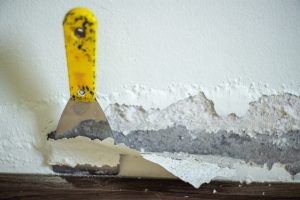
That plastering is a slow, careful process. Expert craftsmen use trowels and joint knives to apply the mix in thin, even layers. Each layer has to dry completely, sometimes for a day or more, before the next layer is applied.
For wide cracks or deep holes, we apply mesh tape first. This helps prevent future cracks from developing with building movement. The right tool for each surface, flat trowels for walls and corner tools for joints, makes a big difference.
Timing matters; rushing leads to weak bonds and rough finishes. The majority of things take a few hours to repair, but some significant jobs can span days.
Finishing
Finishing transforms a patched spot into a hidden repair. We sand the surface smooth and check by touch and sight for bumps or dips. Matching the original texture or decorative finish requires skill and close attention.
Some paint test spots to ensure the color is right before painting the entire space. A last inspection hunts for overlooked defects or dust. Homeowners receive maintenance advice, such as how to clean with a soft touch and prevent moisture accumulation to maintain the new finish.
St. Louis Considerations
St. Louis plaster repair is unique due to the blend of historic homes and a harsh climate. Both the weather and the city’s history influence how repairs should be made. Local considerations, from building codes to ornate details in historic homes, dictate the optimal approach for plaster restoration.
Local Climate
St. Louis humidity swings and temperature shifts can make plaster crack, swell, or just plain break down over time. The more moisture in the air, the more plaster sucks up water and becomes soft or even begins to crumble. Dry spells make it shrink and crack.
These cycles, repeated through seasons, stress the material’s surface and more deeply. Moisture management is incredibly important. Trapped moisture behind walls or roof or window leaks typically causes mold or loose plaster.
Leak checks and sealing make troubles small. A dehumidifier during the muggy months helps avoid swelling and mold. Homeowners can look out for peeling paint, soft patches or bulges, all of which tend to be indicative of moisture lurking beneath.
If you want to slow down damage, clean out gutters, seal windows and fix leaks immediately. Routine inspections, even at a new home, keep repairs manageable.
St. Louis Thoughts
Lime-based plaster copes with moisture better than some modern mixes, while gypsum plaster dries faster but may not be as durable in wet areas. With the appropriate patching compound and drying at the right pace, without rushing, the repair sticks.
Historic Homes
One hundred-year-old or older houses in St. Louis have walls with lime-based or mixed plasters, not the drywall of today. Fixes must be compatible with these vintage materials to prevent cracks from returning and maintain the wall’s integrity.
We want to maintain the original feel of home. Intricate moldings and hand-shaped corners add to the city’s allure. Taking shortcuts or applying off-the-shelf repair mixes can cause these details to either fade or stand out as contemporary patches.
Experienced plasterers who understand traditional techniques, such as three-coat lime plastering or hand-tooling, are required for this type of work. They can repair missing shapes and match old textures to make the damages all but invisible.
Without these skills, even a small patch can seem out of context. Homeowners should seek out firms that demonstrate their craft with old houses. Request samples that correspond with your house’s age.
This maintains the home’s value and assures repairs won’t have to be redone in the near future.
Building Codes
St. Louis equity codes influence plaster repair. Others regulate to keep homes safe, particularly with older construction that may have latent dangers like lead paint or compromised framing.
Fulfilling codes is important because if you ever sell or remodel, it could mean fines or delays. Codes determine fire safety, plaster thickness and how repairs blend with old work. Skipping steps can lead to bigger expenses down the line.
Understanding the code leads to repair solutions that endure. It maintains insurance coverage should something go wrong. Certain work such as patching large surfaces or common walls may require an additional permit or inspection.
It’s savvy to verify that your fixer-upper crew is familiar with city codes and can provide evidence of compliance. Inquire whether they’ve done similar jobs in your neighborhood and whether they follow all safety precautions, particularly in pre-1978 homes.
Choosing Your Expert
Selecting your plaster repair expert in St. Louis requires more than a cursory Internet search. Weigh skill, track record, and communication when choosing your expert. A simple checklist helps clarify what to look for: verify the expert’s credentials, review their portfolio, and get multiple estimates. All of these steps minimize risk and help make the work high quality.
Verify Credentials
Make sure the contractor has the appropriate licenses for plaster repair in your location. Proper licensing ensures that they are up to code legally and understand the local codes. Inquire about insurance—liability and worker’s comp—so you’re not responsible if a mishap occurs on your premises.
Certain companies are certified by trade groups, indicating that they remain current on materials and techniques for repairs. A reputable contractor will provide references from recent work. Reach out to these clients and inquire about timeliness, communication, and if the work stood the test of time.
Investigate the expert’s local reputation. Online reviews and ratings, along with word of mouth from people you trust, provide a window into reliability and professionalism. If the expert is part of a local trade association or has quality awards, these contribute to their credibility.
Review Portfolio
Request a granular portfolio of past work. There should be before and after shots of various plaster repairs ranging from small fixes to complete wall restoration. Browse the samples and look for neat finishes, seamless integration, and detail-focused craftsmanship.
Which projects count? Seek both residential and commercial if you’re unique. If your repair is complicated, restoring ornate plaster or matching vintage finishes, seek portfolio samples that align with your demands. Certain portfolios may even add some client quotes or case notes.
These can provide additional color about how the expert approaches difficulties, deadlines, or communication on the job. Portfolios that indicate a long history demonstrate experience and can suggest trustworthiness.
Request Estimates
Get comprehensive estimates from at least 3 companies. Each estimate should itemize labor and materials so you can see them side by side. Clear pricing helps identify hidden fees or dubious charges. Talk about payment—some want a deposit, some bill in stages.
See if a warranty is included; it can safeguard you if problems surface later. Request a written timeline to completion for your project. Delays are expensive, particularly if you have to leave your living area for repairs.
Comparing estimates helps with budgeting and can emphasize differences in skill, approach, or services included. Other times, pricier might translate into superior service or more durable results, particularly from veteran specialists.
Beyond The Patch
They don’t call it beyond the patch for plaster repair in St. Louis for nothing. True repair means addressing the cause, such as water, humidity, or a shifting foundation. Beyond the patch, specialists use things like texture blending, diligent color matching, and material matching so the repaired spots don’t pop out.
This method guarantees that the outcomes appear natural and are more durable, particularly in residences that are exposed to the city’s fluctuating climate.
Structural Integrity
Plaster is a critical component of a wall or ceiling’s structural integrity, not just its appearance. When cracks develop due to moisture, settling, or temperature fluctuations, they can indicate more serious issues. Fixing plaster right involves more than just skimming over the damage.
It means inspecting for and treating these root causes, such as leaks or shifting in the building’s frame. When the pros handle these tasks, they employ industrial-grade membranes and tools to strengthen the site, ensuring the patch sticks strong.
A wall with weak, cracked, or loose plaster can place a home’s safety in jeopardy. Plaster can crumble and cause falling debris. It’s more likely in older homes or those with a legacy of patch jobs that back-burnered the groundwork.
Periodic inspections, particularly following storms or after significant temperature swings, assist in identifying potential issues before they escalate. As you’ll see, on many occasions, temporary solutions don’t hold. Experienced plasterers understand how to seamlessly mix fresh plaster with aged, synchronizing texture and hue so fixes remain disguised and durable long into the future.
Historical Continuity
Old St. Louis houses have some amazing plaster work. Preserving the look and feel of these homes is about applying craftsmanship in repairs. Expert plasterers can replicate historic finishes and designs even if the original was applied a century ago.
This helps maintain the home’s style and value. Certain fixes have to respect local codes designed to preserve historic landmarks. Not every contractor knows to work within these rules, but specialists do.
They use matching compound and meticulous techniques so old and new plaster mesh seamlessly. They request historic homeowners to honor the original craftsmanship. It’s worth the effort as it enriches and sustains the home’s narrative.
Healthier Interiors
Cracked or broken plaster causes dust, mold, and moisture that’s trapped. Such issues can degrade indoor air quality. The right plaster repair helps keep moisture out and reduces dust and allergens from collecting in those areas.
Smooth, well-kept plaster makes cleaning easier and mitigates health hazards. When repairs are done with safe, tested materials, the air inside remains healthier. Clean, finished walls and ceilings help a home feel open and welcoming.
Good repairs don’t just mask harm. They aid in creating a home that is safer and healthier for those who live inside.
Conclusion
St. Louis plaster repair requires artistry, attention, and the proper expertise. Local walls get the genuine abuse of damp air, ancient pipes or simply time. Good repairs require more than a quick fix; they require people who understand the trade. Experienced St. Louis pros identify the source of cracks, apply the highest quality mixes, and match old textures. When it’s done right, it keeps your walls strong and smooth for years to come. A lot of houses around here have actual histories in their walls. To keep yours up, choose a repair guy who knows the city’s homes and their quirks. For honest estimates or advice, contact area professionals. The wall that protects your home protects your peace of mind.
Frequently Asked Questions
What are the benefits of hiring a professional for plaster repair in St. Louis?
Experts have the proper tools and background. They make secure, long-term repairs. This saves you time and headaches down the road.
What are common plaster problems in St. Louis homes?
Common problems are cracking, water damage, and crumbling. Humidity and temperature fluctuations can worsen these issues.
How long does a plaster repair usually take?
A few hours for minor repairs. Bigger projects might require multiple days. This varies by damage size and drying time.
How does the climate in St. Louis affect plaster walls?
St. Louis is known for its humid summers and cold winters. These conditions can cause plaster to crack or shift over time.
What should I look for in a plaster repair expert?
Make sure they are experienced, locally reviewed, and licensed. A reliable professional will provide transparent estimates and walk through their procedure.
Is repairing plaster better than replacing it?
Plaster repair preserves your home’s original aesthetic and is typically less expensive. Replacement is necessary only if the damage is extreme.
What happens after the plaster patch is applied?
Once patched, we smooth, prime, and paint the area to match your wall. This completes the repair and camouflages it with your room.