

- Key Takeaways
- Why Hire Local?
- St. Louis Plaster Problems
- Modern Plastering Solutions
- Verifying Credentials
- Budgeting Your Project
- Preserving Your Plaster
- Conclusion
- Frequently Asked Questions
- What are the benefits of hiring a local plastering company in St. Louis?
- How do I know if my St. Louis home’s plaster needs repair?
- What modern plastering solutions are available in St. Louis?
- How can I verify a plastering company’s credentials?
- How should I budget for residential plastering in St. Louis?
- Can old plaster be preserved during renovations?
- How do I maintain my plaster walls after repairs?
Key Takeaways
- Choosing a residential plastering company in St. Louis offers services specific to local architectural styles, weather conditions, and preservation needs.
- Local plastering experts offer faster turnaround and effective project oversight because of their proximity and access to local vendors.
- Checking and verifying licenses, insurance, and a company’s portfolio is a must to make sure that they are complying with Missouri regulations and to get a feel for the quality of their work.
- We cover typical St. Louis plaster problems, including humidity damage and foundation cracks.
- With advancements in plastering such as breathable finishes and flexible compounds, we can offer a more durable solution to St. Louis‘ environmental challenges.
- That’s because by supporting local plastering companies, you support the St. Louis economy, preserve local jobs, and build community over time through enduring relationships with master craftsmen.
Here’s a residential plastering company in St. Louis that provides wall and ceiling repair, new plaster installs and custom finishes for homes in the region.
Crews understand that the local climate can cause cracks or water damage, so they utilize techniques that help walls endure. They typically work on old and new homes and do anything from patch jobs to full home updates.
In this post, discover how these services suit St. Louis residences and what to anticipate.
Why Hire Local?
Choosing a Residential Plastering Company St. Louis is about more than just finding a skilled contractor. Local companies provide personalized service, deep local expertise and a quality dedication to local standards and style. From historic brick buildings to new construction, St. Louis homes are unique.
When you hire local, you’re hiring experts who understand the area’s specific needs and who can respond rapidly. This supports the local economy, builds community and makes sure your home is getting repairs that endure.
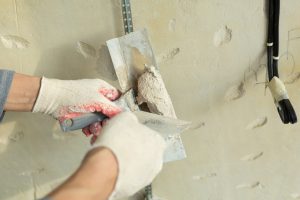
1. Regional Expertise
Local plasterers in St. Louis know the ins and outs of the area’s architecture. Some of our homes here have plaster walls that are 100 years old or older, particularly in our historic neighborhoods like Lafayette Square and Soulard. Local plasterers know the difference between old lime plaster and newer gypsum-based material.
They know how to match textures and finishes so repairs blend seamlessly. St. Louis weather, with hot, humid summers and cold, damp winters, exerts special strain on plaster, so it’s important that it be repaired using the right techniques to ensure long-term durability.
These pros are familiar with the city’s range of architectural styles, from Victorian-era homes to mid-century ranches. Their expertise keeps the soul of every property and the charm of St. Louis neighborhoods intact. So when you hire a Residential Plastering Company St. Louis, you get solutions tailored for your particular house and surroundings.
2. Faster Service
Local teams can react to service requests far more quickly than out of town contractors because they are already here and know the local traffic patterns. That means less waiting on urgent repairs and last minute jobs. Scheduling is more flexible, allowing you to arrange appointments according to your schedule.
Local plasterers have relationships with nearby suppliers, so they almost never encounter long lead times. This makes the process more efficient and puts your project on a fast track, reducing hassle in your life.
3. Community Trust
A Residential Plastering Company St. Louis lives and breathes in the same neighborhoods as its customers. That means their reputation is at stake with every task. You can check with neighbors for reviews or view examples of their work in your area.
Because local businesses depend on word-of-mouth and repeat customers, this accountability usually translates to higher standards. There’s peace of mind in building a relationship with a local company.
Homeowners receive upfront, clear communication, respect for their homes, and the opportunity to collaborate with passionate community members.
4. Local Codes
St. Louis building codes can be tricky, particularly if you’re in a historic district or dealing with an older home. Local plastering pros stay current on these regulations, so you sidestep expensive errors. They assist in getting your permits and scheduling inspections, which saves you time and gets your project through the required checks the first time around.
They’re familiar with preservation guidelines, making sure your repairs pay respect to the city’s architectural heritage.
5. Economic Support
Hiring a Residential Plastering Company St. Louis supports the local economy. You’re investing in small businesses and local jobs. Money spent here equals community dollars and other local suppliers and service providers thrive.
Hiring local means you’re helping keep the special character of St. Louis homes alive with those who are committed to its preservation.
St. Louis Plaster Problems
St. Louis houses have their own interesting plaster issues. The city’s muggy summers, wild Midwest storms, and temperature swings create a tough environment for walls. Old brick houses, like you’ll find in just about any neighborhood, are notorious for plaster cracks, crumbling, and water damage.
The solution is immediate repair of damaged plaster to avoid restoration costs. A Residential Plastering Company St. Louis can provide customized advice and solutions, providing the distinction between a quick patch and a major repair.
Humidity Damage
Humidity is a perennial issue in St. Louis, particularly during summers. Plaster fares best when it’s dry. Moisture creeps in quick here. You’ll frequently notice flaking paint, bubbling, and occasional water spots on either walls or ceilings.
Mold can thrive in corners where air doesn’t circulate much. Midwest storms exacerbate the situation by driving water through even the smallest cracks. A professional water damage repair service should get involved as soon as you notice these symptoms.
Fast action prevents additional damage and helps keep repair costs low. Preventative measures count, as well. Proper ventilation, dehumidifiers, and sealing exterior walls aid in safeguarding against recurring problems.
St. Louis local plaster specialists know St. Louis’s climate, and they select materials that stand up well, such as lime-based plasters. These fare better against water and protect the home’s aesthetic.
Foundation Cracks
Foundation settling is a huge problem for St. Louis homes, due to Missouri’s shifting soils and the freeze-thaw cycle of the Midwest. Foundation cracks rapidly permeate plaster walls and ceilings. These may appear as hairlines initially, but can expand or ramify if unattended.
Sometimes you’ll have doors sticking or sloped floors. These are indications the issue goes deeper than just the plaster. First, take care of the structural problems. Plaster fixes aren’t going to hold up if the foundation continues shifting.
Trained plastering professionals understand how to identify cosmetic versus structural cracks. They’ll provide answers that treat the underlying issue, not simply the symptoms. Periodic inspections are a must for any homeowner, especially for the older house.
Address it early and you’ll be dealing with smaller repairs and less disruption.
Historic Walls
Historic St. Louis homes come with their own plaster issues. A lot of pre-1940s era houses are done with lime-based plaster, requiring unique materials and approaches to maintain repair authenticity. The job requires craft.
Today’s mixes and speedy solutions will both wreck the appearance and rot your vintage walls. Hiring experts that know historic plastering is a must, with a concentrated effort on matching the original finish and texture while preserving the home’s character.
Decorative touches, such as crown molding or textures, can be repaired or enhanced. Plastering jobs in these homes can often last longer, up to 5 days, as every detail needs to be perfect.
St. Louis building codes and preservation guidelines factor in as well, so be sure to consult with professionals familiar with local codes first.
Modern Plastering Solutions
Modern Plastering Solutions
Residential Plastering Company
St. Louis’s old and new plastering methods match the region’s distinctive home style and climate. These are solutions that emphasize durability, indoor air quality, and keeping the site clean. Our goal is to maintain beautiful homes without the sacrifice of neglecting the ‘H’ word—water damage, cracks, and settling.
St. Louis homeowners enjoy local craftsmanship that is compatible with both historic and newer homes, ensuring every job complies with local building codes and safety regulations.
Breathable Finishes
Breathable plaster finishes allow moisture to evaporate while protecting walls from harm. Here in St. Louis, that’s key because our summer is humid and our winters are cold and wet. By using lime-based and other natural plasters, these finishes reduce moisture trapping and therefore the potential for mold and mildew.
This keeps air healthy indoors, especially for allergy or asthma ridden families. Material matters. Not every finish suits every home, particularly older homes. Professional plasterers consider the age, style and needs of the home.
They recommend products that complement the home’s aesthetic and deliver long-term performance. Many finishes can withstand our local climate, fighting off damage from weather swings and everyday use.
Flexible Compounds
Flexible plaster compounds are designed to move with your house when it settles or shifts. St. Louis homes, particularly the older ones, have a tendency to shift with the seasons and settling earth. Old-fashioned stiff plasters crack as the house shifts.
Adaptable materials conform and halt cracks in their tracks. This helps repairs look fresher longer. Experienced artisans understand how to smear these new compounds so they mix with the rest of your walls.
Advanced materials, such as elastomeric plasters or high-polymer blends, serve for touch-ups and large repairs alike. Whether there is water damage or shifting in your home, these defend against further problems.
With the right compound in the hands of the experts, your walls will remain durable and beautiful for years to come.
Dust Control
Dust suppression when plastering is crucial in every household. Dust from sanding and mixing plaster can get everywhere, complicating cleanup and air quality. Easy Modern Plastering – Stay Inside St. Louis plastering pros use plastic barriers, negative air machines, and careful job site management to control dust spread.
They tape floor coverings and close up work zones. Best practices mean workers clean as they go, not just at the end. There is a definite schedule and site protection and cleanup schedule that homeowners can anticipate.
Once the work is done, a cleaning tag team has your space ready to roll. Residential Plastering Company St. Louis devotes as much attention to thorough cleanup as they do to the plastering work itself.
Verifying Credentials
Selecting a residential plastering company in St. Louis is deciding to go the extra mile to ensure your home is in the hands of the real deal. It pays to check credentials because it saves time and saves you expensive errors. Homeowners should be confident the contractor fulfills all Missouri state and local requirements.
It’s not only about quality; credentials defend your home, your loved ones, and your finances. When you hire, seek out a solid web presence, distinct service information, and transparency about responding to your inquiries. These are good indications of a company that backs their work. Always request evidence up front.
Licensing
A Residential Plastering Company St. Louis needs a Missouri license. Ask to see licensing before work starts, because this indicates the company adheres to local building codes and safety regulations. Licensed contractors are equipped to take care of both older and newer home styles throughout St. Louis, from vintage brick townhomes to contemporary lofts.
This shields you against liability if anything goes awry. Licensed pros know how to work under state rules, so you don’t get hit with fines or stop-work orders. Companies with current licenses demonstrate they’re passionate about their trade and keep abreast of evolving professional standards.
In St. Louis, your license is more than a piece of paper—it’s a testament to your expertise and adherence to the law!
Insurance
Insurance is a fundamental safety net for both you and your contractor. Be sure to inquire if the residential plastering company in St. Louis has general liability and worker’s compensation insurance. These policies cover costs if there is an accident, injury, or damage to your property during repair.
Don’t just take their word; ask to see the certificate. A contractor with insurance means less risk for you. If somebody breaks a leg or damages your premises, you’re not stuck footing the bill.
Insurance proves that the company is professional and cares about their clients’ comfort. Without insurance, a minor accident can cause major issues for homeowners.
Portfolio
About Checking Credentials, a good portfolio is more than pretty pictures. It’s evidence of talent and versatility. Have the company present you with before-and-after pictures from work like yours.
Look for details about the work, such as types of plaster, finishes, and repairs. Look over case studies if they provide them. This assists you in determining whether the company has ever worked on a home somewhat like yours, from traditional St. Louis bungalows to modern condos.
An articulate portfolio says the company is proud of what they can do. It allows you to discuss your project needs and view their artistry. Be on the lookout for these details in their work: smooth finishes, clean lines, and more.
The more open they are, the more you can believe in their capabilities.
Budgeting Your Project
Budgeting your plaster repair project in St. Louis is about examining every detail so you can project costs and evade surprises. Begin with a clear statement of what you need done, then shop around for labor, material costs, and the scope of work.
Obtaining quotes from a Residential Plastering Company St. Louis is crucial, as local pricing, seasonality, and scope of the project all factor in. Below is a step-by-step guide to get you started:
- Define the exact areas needing repair—walls, ceilings, or details.
- Enumerate material needs such as plaster, joint compound, and finishes.
- Obtain a few bids from plastering companies for fair labor rates.
- Include services such as color matching or texture blending.
- Budget your project during the off-season to save on labor.
- Go over all your quotes and inquire about payment plans or financing.
- Set aside a contingency fund for unexpected expenses.
- Finalize the budget after discussing the full scope with your contractor.
Labor Costs
Labor rates in St. Louis may vary depending on the company’s expertise, job difficulty, and season. City areas typically have higher rates. Use the table below to compare average labor costs for common plastering needs:
Service Type | Average Cost per Sq. Ft. | Notes |
|---|---|---|
Basic Wall Repair | $3.00 – $6.00 | Minor cracks or holes |
Ceiling Patch | $5.00 to $8.00 | Setup and cleanup included |
Decorative Finish | $8.00 to $15.00 | Custom textures/designs |
Texture Blending | $6.00 to $10.00 | Blending into existing look |
Request comprehensive bids from a minimum of three firms. This allows you to identify any high or low pricing outliers.
Most Residential Plastering Company St. Louis contractors provide payment plans or take split payments, which is good for your cash flow. If your project is urgent or complex, anticipate labor costs to increase because of overtime or rush fees.
Material Choices
The materials you choose impact not only your project’s cost but its result. Plaster, joint compound, and specialty finishes can fluctuate in price based on market availability.
Material Type | Cost per Bag/Gallon | Durability | Aesthetic Value |
|---|---|---|---|
Standard Plaster | $15 – $25 | Medium | Classic |
$25 – $40 | High | Smooth/Modern | |
Lime Plaster | $35 – $55 | Very High | Historic look |
Joint Compound | $10 – $18 | Medium | Blending use |
It can be more expensive initially to invest in the best grade materials, but it generally endures longer.
For custom projects, discuss with your contractor what is best for your home’s age and style. Certain materials are preferable for moisture control, while others assist in matching old finishes. Always balance look and functionality in your decision.
Repair Scope
Begin by enumerating all of the surfaces requiring attention—walls, ceilings, or trim. The more elaborate your scope, the more precise your estimate will be. If you’re fixing up only one room, costs remain lower. Whole home repairs translate to bigger budgets.
Take a tour of your space and identify all such banged-up areas. Post photos or notes to your contractor to clarify expectations. This allows your plastering crew to be better prepared and eliminates missed repairs.
As the project progresses, more damage may emerge. Be flexible in your scope and budget for small add-ons if necessary. Communication and clear expectations lead to less delay and better results.
Preserving Your Plaster
Protecting plaster on St. Louis homes is more than maintenance; it’s revering the architectural history and authentic personality of every house. Your plaster and the unique mix of historic neighborhoods and varied home styles here demand special care, as the area’s hot, humid summers and cold winters can really wreak havoc on traditional plaster.
A Residential Plastering Company St. Louis knows these regional factors and utilizes proper techniques to preserve plaster surfaces and protect their durability.
- Inspect regularly for signs of hairline cracks, water spots, or bulges.
- Go soft. Use soft cloths and detergents instead of chemicals.
- Treat minor fixes swiftly to prevent them from becoming major issues.
- Control indoor climate to reduce stress on plaster.
- Verify contractor qualifications, previous work, and local feedback prior to engaging.
- Communicate clearly with professionals for project updates.
- Use lime-based or traditional materials for period homes.
- Set a maintenance schedule for ongoing care.
Climate Control
Ambient indoor temperatures and humidity keep plaster flaking away in St. Louis homes. Extreme temperature fluctuations, such as those found in the city’s blistering, humid summers and frigid winters, can lead to expansion, contraction, and cracking. Your trusty HVAC system assists in these fluctuations, as do dehumidifiers in damp basements or bathrooms.
Ensuring your kitchens and laundry rooms are well-ventilated tends to decrease condensation that can cause blistering or mold. Keep an eye on seasonal weather since prolonged wet or deep freeze periods could necessitate altering your climate management plan.
Staying ahead of the game with these measures keeps plaster surfaces healthy and dry, helping to avoid moisture damage, which is critical in older homes where original materials are often preserved.
Gentle Cleaning
Cleaning plaster requires a delicate hand. Try to always clean with soft cloths or sponges and limit yourself to mild soap mixed with warm water. Abrasive pads or harsh cleaners scratch or erode the finish, which is a fate particularly dire for the lime-based plasters characteristic of many St. Louis period homes.
Schedule dusting or wiping plaster walls a minimum of once per season to prevent accumulation. For harder stains, check with a Residential Plastering Company St. Louis for product suggestions.
They can recommend safe, tried and true cleaners that will not damage either the appearance or integrity of your material. Daily, delicate attention keeps your walls’ luster and retains their special surface.
Prompt Repairs
Repairing damage at the earliest sign is crucial to plaster preservation. Minor cracks, chips, or water stains might appear superficial, but they are typically indicative of more significant problems. Acting promptly keeps trouble local and repair costs low.
Work with craftspeople who know your local architecture and employ traditional techniques for their repairs. Dependable contractors in St. Louis will post schedules, update you, and complete the majority of repairs within 1 to 5 days depending on scope.
Give yourself reminders to inspect your plaster at each season’s change and maintain an easy repair and inspection log for reference.
Conclusion
St. Louis homes experience all kinds of plaster problems, from cracking after a wet spring to wear in high-traffic rooms. Local crews understand the idiosyncrasies of these old houses and the idiosyncrasies of St. Louis weather. They arrive quickly, know what mix works, and repair with job-specific tools. Fine plaster work keeps houses snug, weathers storms, and holds that vintage charm. Inquire about the crew’s license, view their completed projects, and verify their work fits your budget. Believing in a St. Louis plastering team keeps walls firm and delivers peace of mind. Got questions? Call a local pro and find out what a fresh coat can do for your pad.
Frequently Asked Questions
What are the benefits of hiring a local plastering company in St. Louis?
Local companies know St. Louis homes and weather. They provide swifter service, understand local building codes, and have a community reputation to maintain.
How do I know if my St. Louis home’s plaster needs repair?
Check for cracking, bulging, or crumbling. Water stains and flaking paint are indications your plaster requires care.
What modern plastering solutions are available in St. Louis?
Many companies use advanced materials for additional durability and moisture resistance. Veneer plaster, drywall alternatives, and green products are among the options.
How can I verify a plastering company’s credentials?
Verify a Missouri contractor’s license, insurance, and local references. Check out STL homeowner reviews and request a portfolio.
How should I budget for residential plastering in St. Louis?
Ask for specific estimates. Prices differ depending on the size of the repair, type of materials selected, and complexity of the project. Receive a minimum of three estimates from local experts.
Can old plaster be preserved during renovations?
Yes. Expert St. Louis plasterers can fix and match original textures, maintaining historic character while modernizing your house!
How do I maintain my plaster walls after repairs?
Keep walls dry, patch leaks promptly, and clean dust. Stay away from harsh cleaners. Check for new cracks and tackle small problems before they expand.